Interior design is often described as the art of balancing function, comfort, and personal expression. Furniture sets the structure, lighting shapes the mood, and textiles add warmth—but the details are what make a room feel finished. Soy candles have quietly become one of those finishing details that do more than look pretty. They soften a space, create visual rhythm on shelves and tables, and introduce a gentle sensory layer that can make a home feel curated rather than simply decorated.
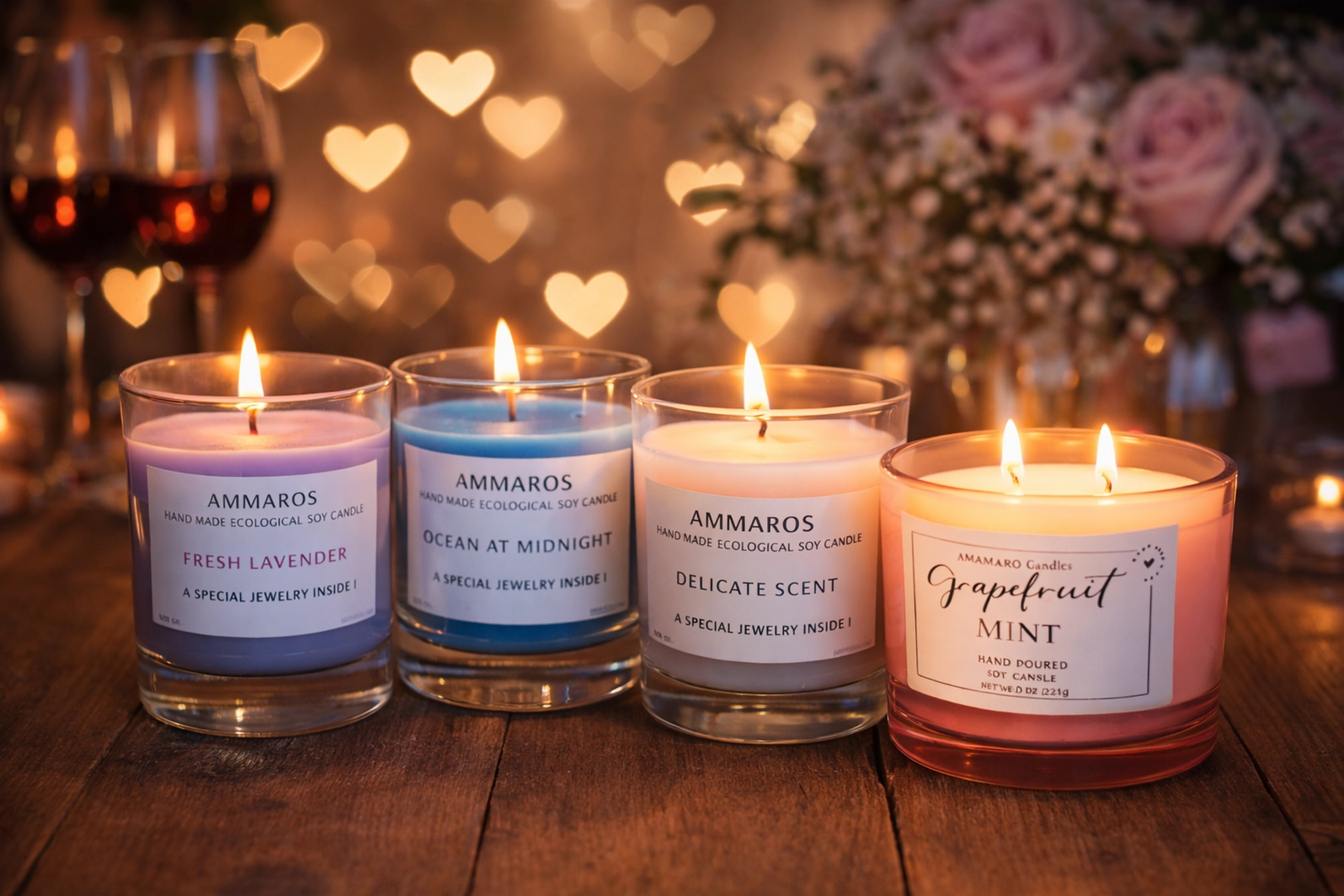
As design accessories, soy candles sit at an interesting intersection. They are both practical and decorative, both minimal and expressive. A candle can work like a small sculpture when unlit, and like ambient lighting when lit. Because soy candles are available in endless container shapes, label styles, wax colors, and scent profiles, they can match nearly any interior theme—from clean Scandinavian simplicity to rich, dramatic maximalism.
Why Soy Candles Fit the Language of Modern Design
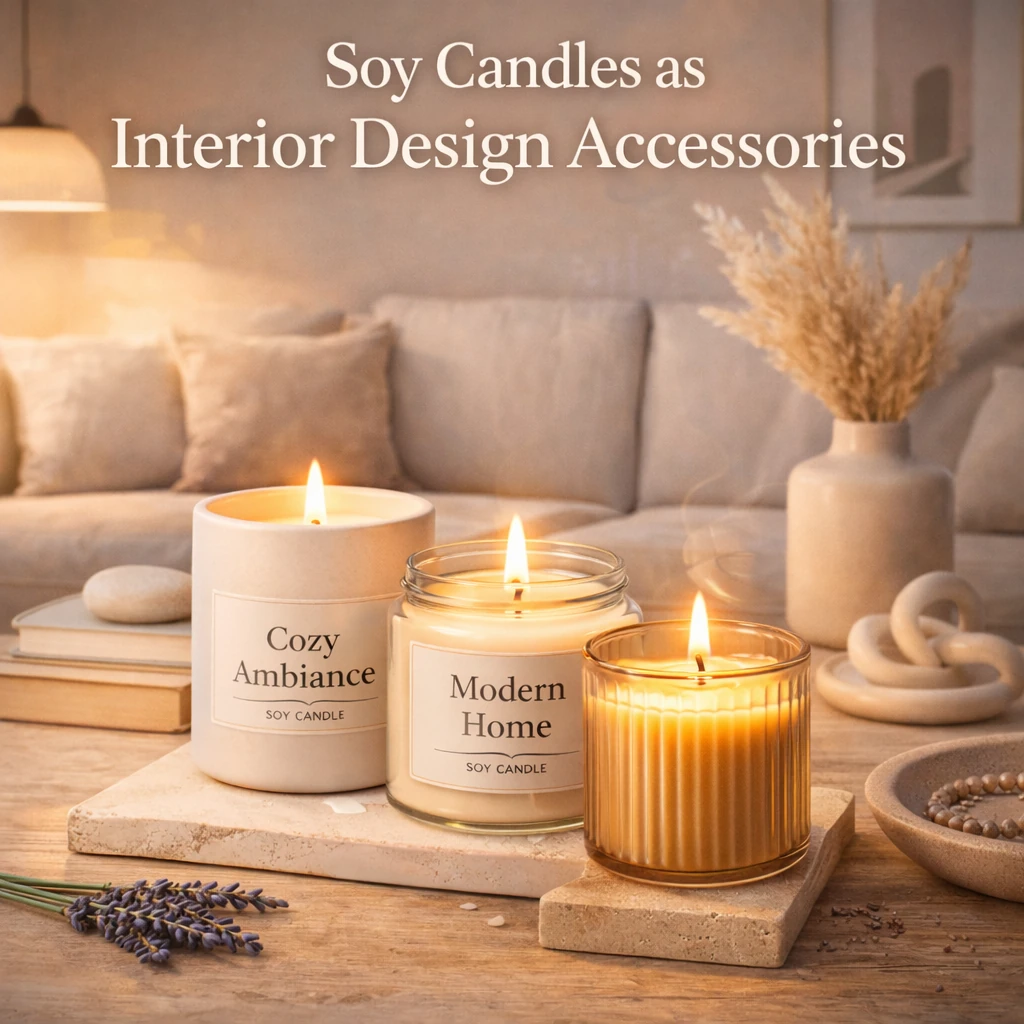
Modern interiors favor objects that do double duty. A tray can organize and decorate. A throw blanket can warm a room and soften a sofa’s silhouette. In the same way, a soy candle can be a styling piece even when it’s not burning. The container becomes part of the room’s visual story: a frosted glass jar that echoes a window’s lightness, a matte ceramic vessel that complements stone countertops, or an amber apothecary-style jar that adds vintage depth.
Soy candles also align with the current preference for natural textures and calmer palettes. Designers increasingly build rooms with layered neutrals—warm whites, oat, sand, mushroom, clay, charcoal—and then add subtle contrast through finishes like brushed metal, natural wood, linen, or soft-gloss glazes. Many soy candle vessels mirror these finishes perfectly, which makes them easy to integrate without competing for attention.
Using Candles to Create Focal Points Without Clutter
A focal point does not always need to be a large statement piece. In smaller rooms, a carefully styled surface can become the moment that holds the design together. Soy candles are ideal for this because they add presence while remaining compact. A single candle on a bedside table can make the room feel intentional. A pair of candles flanking a vase can give symmetry to a console. A candle placed beside a stack of books can create a lived-in, editorial look.
The key is restraint. Candles work best when they are part of a small grouping rather than scattered everywhere. Pick a few zones where you want warmth and emphasis—an entry table, a coffee table, a bathroom vanity, a dining sideboard—and style candles there with purpose. When candles have a “home,” they read as design decisions instead of decorative noise.
Scale, Proportion, and Placement
Designers think in scale. A tiny candle can disappear on a large dining table, while an oversized candle can overpower a narrow shelf. Choosing the right size is one of the simplest ways to make candle styling look polished. On expansive surfaces, larger vessels or multiple candles grouped together prevent the arrangement from looking lost. On small surfaces, one medium candle or a slim votive-style candle keeps things clean and balanced.
Placement matters, too. A candle looks most natural when it sits near objects with similar visual weight—books, bowls, planters, small sculptures—rather than alone in the middle of a table. On shelves, place candles slightly off-center, allowing other objects to create a gentle visual conversation around them. If you love symmetry, mirror candles on both sides of a centerpiece. If you prefer an organic look, keep the grouping asymmetrical but balanced through height and texture.
Design Styles and the Candle Vessels That Match Them
Different interior styles speak their own visual dialect. The easiest way to use soy candles as accessories is to choose vessels that already “belong” in your style story. In minimalist spaces, look for simple shapes, neutral labels, and matte finishes. In Scandinavian interiors, choose light ceramics, soft frosted glass, and warm, gentle tones. In industrial rooms, dark glass, concrete vessels, and metal lids complement raw wood and black accents.
For bohemian spaces, candles can be more playful: ribbed glass, textured ceramics, earthy colors, and layered groupings with woven trays or natural stones. In classic interiors, choose timeless silhouettes—apothecary jars, elegant white ceramics, or softly tinted glass—and pair them with polished brass, marble, and traditional florals. In modern luxury settings, look for weighty vessels, high-contrast monochrome, and refined labels that feel like boutique packaging.
Layering Texture With Glass, Ceramic, and Stone
Texture is what makes neutral rooms interesting. Soy candles come in containers that naturally contribute to texture layering. Clear glass gives brightness and reflection. Frosted glass adds softness. Amber glass brings warmth and a vintage mood. Ceramic adds a tactile, handcrafted feel that works beautifully with linen, wool, and natural woods. Stone or concrete vessels introduce a grounded, architectural note that pairs well with modern and industrial palettes.
Think of your candle vessel like a finishing material, similar to a cabinet pull or a lamp base. If your space feels too sharp or cold, add a candle with a warmer material—amber glass, creamy ceramic, or wood-lid details. If your space feels too soft or overly rustic, introduce a more structured candle vessel—smooth black glass, crisp white ceramic, or minimalist metal accents.
Color Theory With Candles: Subtle Contrast and Harmony
Candles can reinforce your color palette in a way that looks effortless. The simplest approach is harmony: choose candles that match your room’s main palette so they blend seamlessly. White and cream candles work in nearly any space, especially in bathrooms, bedrooms, and kitchens. Warm neutrals and soft taupes complement natural wood tones. Deep charcoals and smoked glass anchor modern rooms and add sophistication.
The other approach is gentle contrast. A dark candle against a pale surface creates a crisp focal point. A pale candle in a darker room adds a highlight. Even small differences—like a clay-toned ceramic vessel on a white shelf—can add depth without disrupting the room’s calm. If you want a seasonal refresh without redecorating, candles are one of the easiest ways to introduce temporary color shifts: soft greens, muted terracotta, warm amber, or smoky blue-grey.
Scent as an Invisible Design Element
Interior design is not only visual. A space feels complete when it engages the senses. Scent is often overlooked because it is intangible, but it’s one of the fastest ways to shape the emotional impression of a room. A clean, airy scent can make a bathroom feel spa-like. A warm vanilla, amber, or sandalwood note can make a living room feel cozy and inviting. A soft citrus or herbal blend can make a kitchen feel bright and fresh.
When you match scent to the function of a room, your home feels “designed” in a deeper way. Consider building a scent map the same way you plan lighting. Bedrooms often benefit from calmer, softer notes. Living areas can handle richer blends that feel welcoming. Entryways do well with clean, approachable scents that create a positive first impression. The best part is that you can change the atmosphere of your home without moving a single piece of furniture.
Styling Candles on Trays and Book Stacks
A tray instantly makes any surface look organized. It also frames objects so they read as a deliberate vignette. Place a soy candle on a tray with one or two supporting elements: a small vase, a decorative match holder, a tiny bowl, or a simple greenery stem. The tray can be wood for warmth, marble for elegance, or metal for a modern edge. Even a minimal tray arrangement can make a coffee table look magazine-ready.
Books create height and structure. A candle on top of a small stack of books looks intentional and adds a touch of “collected” character. Choose books with covers that fit your palette—neutral, monochrome, or art-focused—and keep the stack low enough that it feels relaxed rather than formal. If you want a more layered look, add a small object beside the candle, like a smooth stone, a tiny sculptural piece, or a simple coaster.
Candles in the Living Room: Warmth Without Overdoing It
In living rooms, candles work as atmosphere builders. They complement lamps by creating a softer, lower glow that feels personal and relaxed. Place a candle where people naturally gather—on a coffee table, side table, or mantel—but keep it safe and stable. A larger candle can anchor a coffee table arrangement, while a smaller candle can complete a side-table vignette.
If your living room already has bold artwork or dramatic furniture, choose candles that are quieter in design. If your living room is minimalist, candles can be the detail that keeps it from feeling too sterile. The goal is balance: candles should add warmth and softness, not compete with your room’s main statement pieces.
Candles in the Bedroom: Soft Ritual and Calm Styling
Bedrooms are where candles feel most like a ritual. Even when unlit, a candle on a nightstand suggests calm and care. Choose vessels that match the softness of a bedroom—ceramic, frosted glass, gentle neutrals—and keep styling minimal. A candle paired with a small dish for jewelry, a book, or a small vase can create a tidy, soothing look.
If you love symmetry, place matching candles on both nightstands. If you prefer an asymmetrical look, place a candle on one side and a small lamp or plant on the other. The bedroom is also a great place to prioritize subtle, calming scents that make the space feel like a retreat.
Candles in the Bathroom: The Instant Spa Effect
Bathrooms often benefit from a small upgrade that makes them feel more luxurious. A soy candle can do that with almost no effort. Place a candle on a vanity tray next to neatly folded towels, a small plant, or a minimal soap dispenser. Choose containers that feel clean and refined: white ceramic, clear glass, or a softly tinted vessel that matches the bathroom’s finishes.
Because bathrooms are smaller spaces, candles here can feel especially impactful. The visual cue alone suggests relaxation. If the candle is also lightly scented, it can elevate the space without any major renovation.
Dining Areas and Entryways: Setting the Tone
Entryways introduce your home’s personality. A well-chosen candle on a console can immediately make the space feel inviting. Pair it with a mirror, a bowl for keys, or a small vase with greenery. Keep the setup simple, and let the candle be part of the welcome. In dining areas, candles bring intimacy. Even a single candle on a sideboard can soften the room. On a dining table, keep arrangements low so the space still feels open and conversational.
Candles in these areas are less about constant use and more about the sense of intention they create. They suggest hospitality, warmth, and attention to detail—qualities that make a home feel thoughtfully designed.
Seasonal Refresh Without Redecorating
One of the smartest design tricks is swapping small accessories seasonally instead of overhauling a room. Soy candles are perfect for this approach. In cooler months, deeper vessel tones and warmer scents can make a space feel cozy. In spring and summer, lighter vessels and fresh, airy scents can make rooms feel brighter. This seasonal shift creates the feeling of a refreshed home without the expense or effort of new furniture or large decor pieces.
Even if you keep the same candle vessels year-round, changing where you style them can create a new mood. Move a candle from the bathroom to the living room, or from a shelf to a tray on the coffee table. Small changes can create a noticeable sense of renewal.
The Finishing Touch: Wick Care and Presentation
A candle’s appearance matters when it is used as decor. A clean, even wax surface looks refined. Keeping the candle area tidy helps it feel like a design object rather than a leftover item. Accessories like a simple wick trimmer or a minimal snuffer can be stored neatly on a tray and can even become part of the styling. Matches can be kept in a small glass jar or a sleek match holder, adding a boutique touch to your vignette.
When the candle itself looks well cared for, it elevates the entire space. The vessel feels more like a curated accessory, and the candle becomes a small detail that quietly signals quality.
Making Soy Candles Part of Your Home’s Signature Style
The most memorable interiors feel cohesive because the choices repeat thoughtfully: similar finishes, compatible colors, and objects that share a common design language. Soy candles can contribute to that cohesion. Choose vessels that reflect your home’s materials and palette, then repeat them in a few key areas. This repetition creates subtle unity throughout the home without feeling staged.
At the same time, candles are one of the easiest accessories to personalize. Some people love clean, label-free vessels. Others prefer artistic labels that feel like mini prints. Some homes lean into warm amber tones; others look best with crisp whites and blacks. Soy candles adapt to all of these approaches while offering something extra: a gentle ambiance that makes a room feel lived in and welcoming.
In the end, soy candles succeed as interior design accessories because they are small but powerful. They add texture, shape, and mood. They make surfaces feel styled and spaces feel intentional. They invite comfort without demanding attention. Whether you use them as sculptural objects, as part of a seasonal refresh, or as a subtle sensory signature throughout your home, soy candles can be the detail that turns a well-furnished room into a truly finished one.