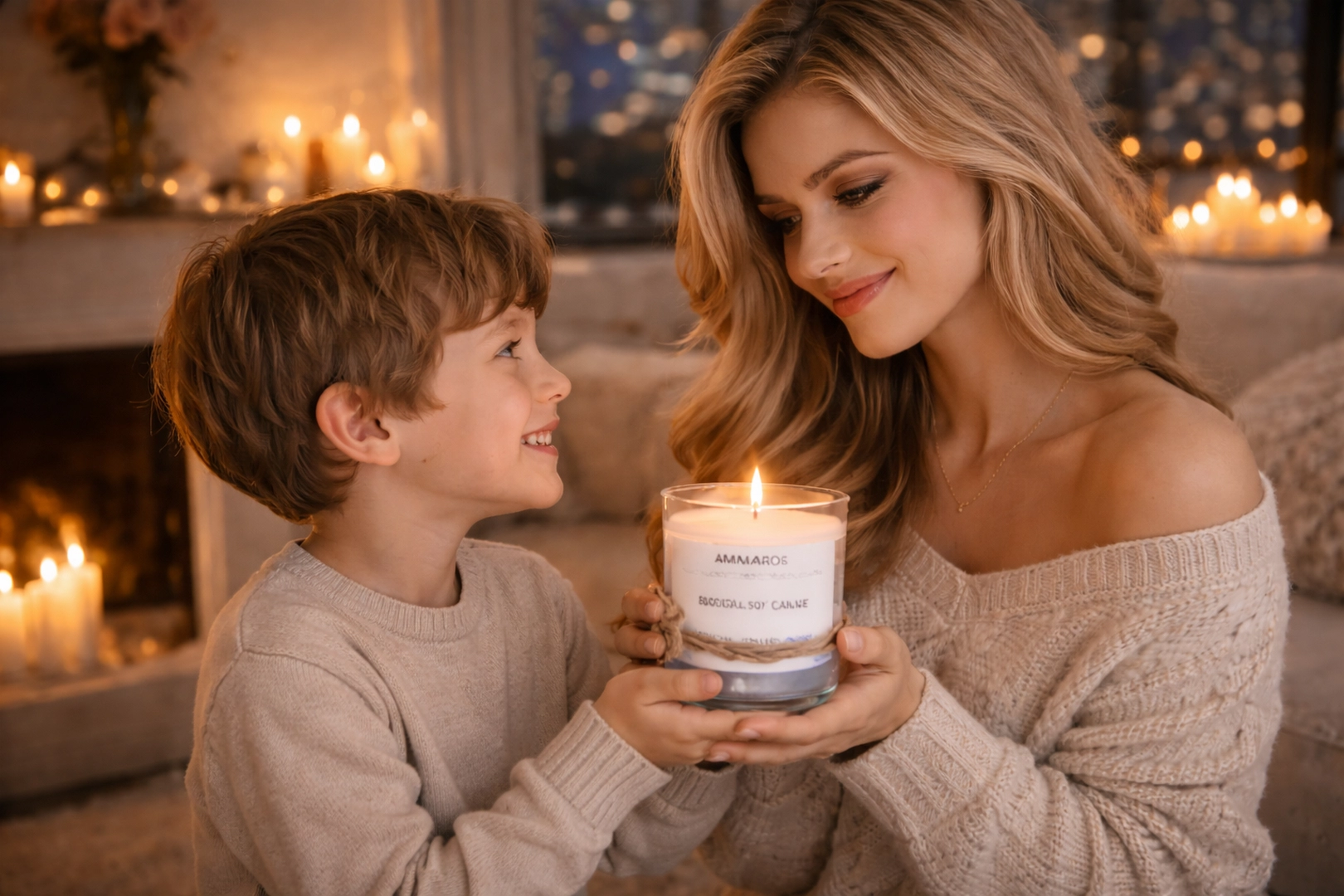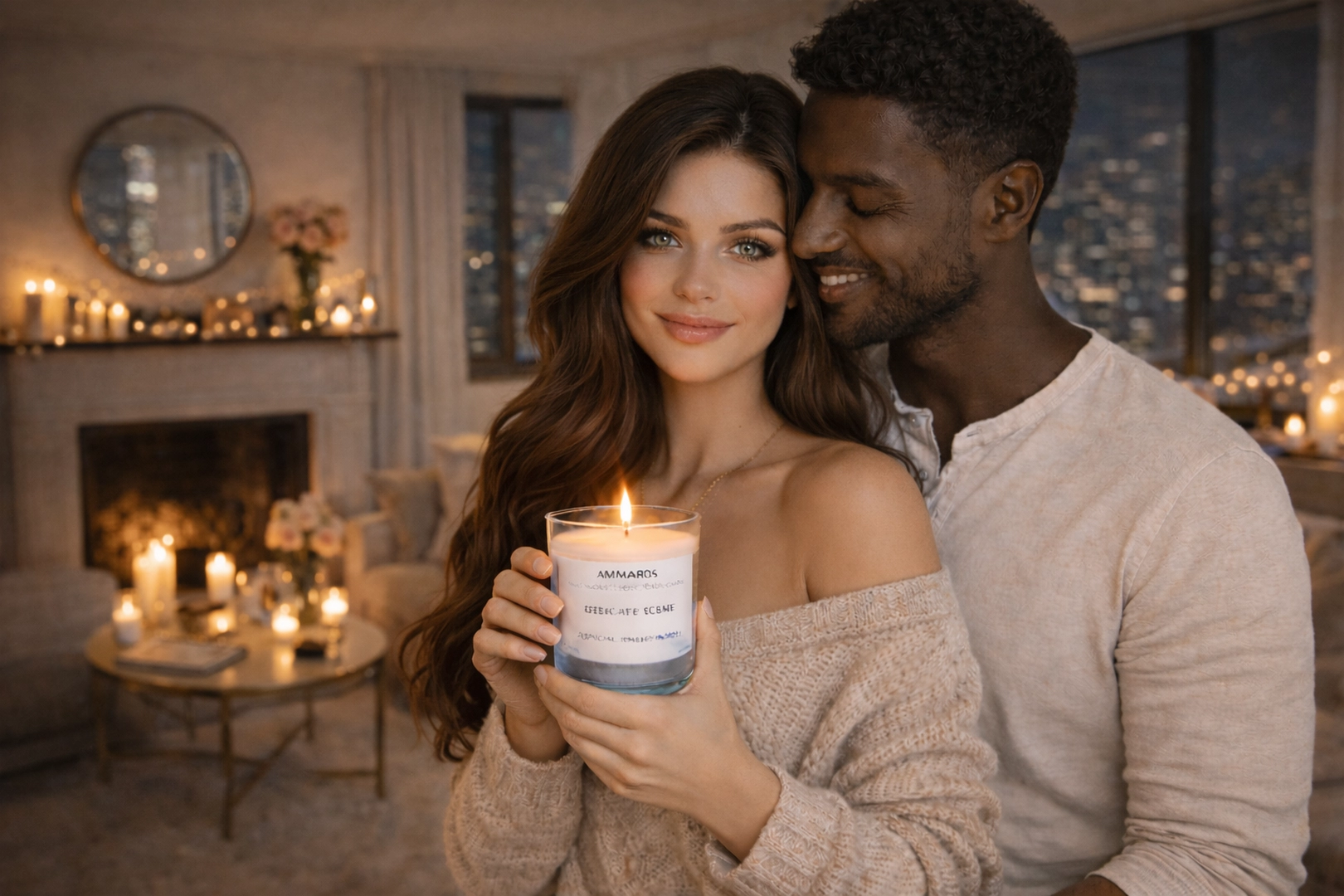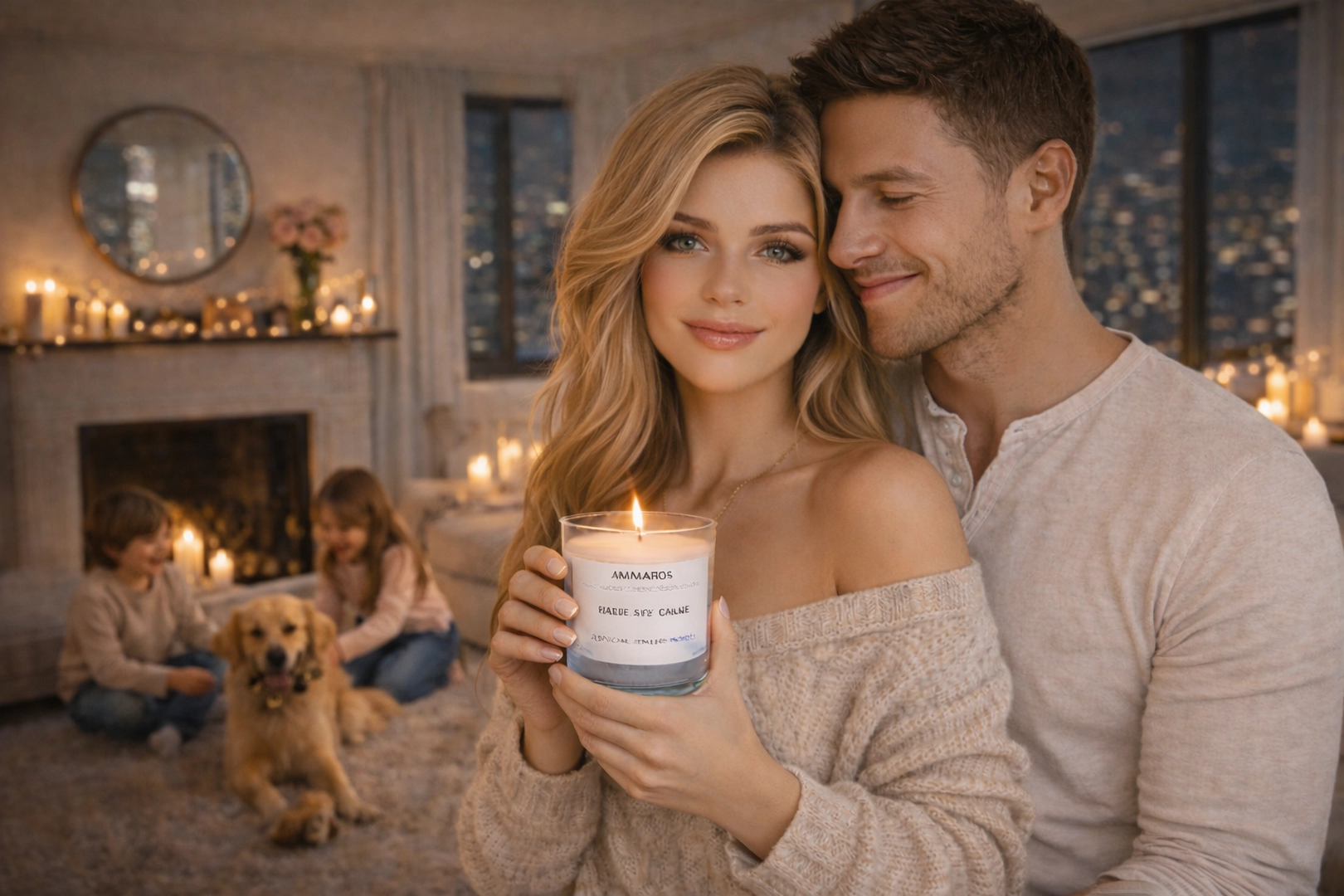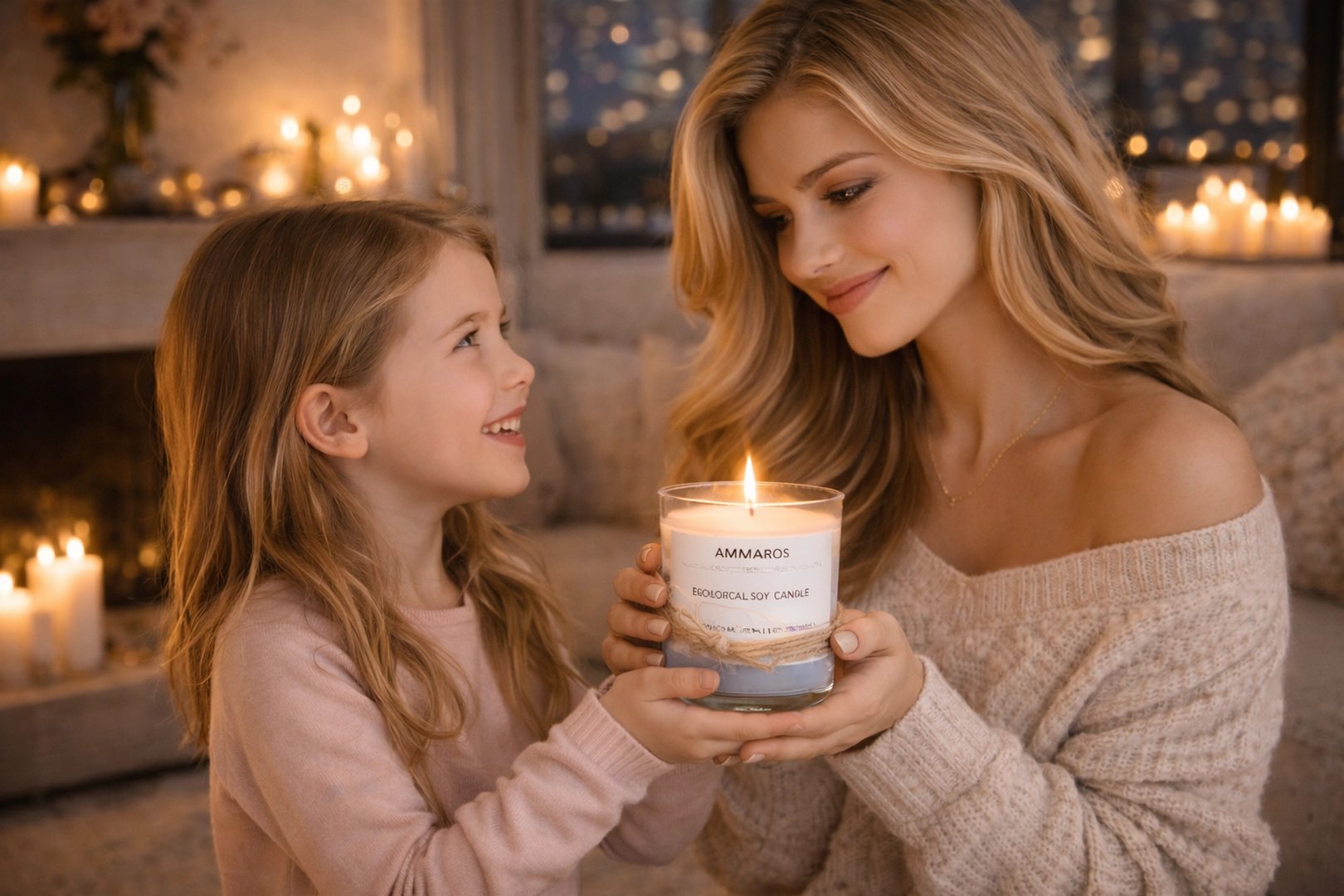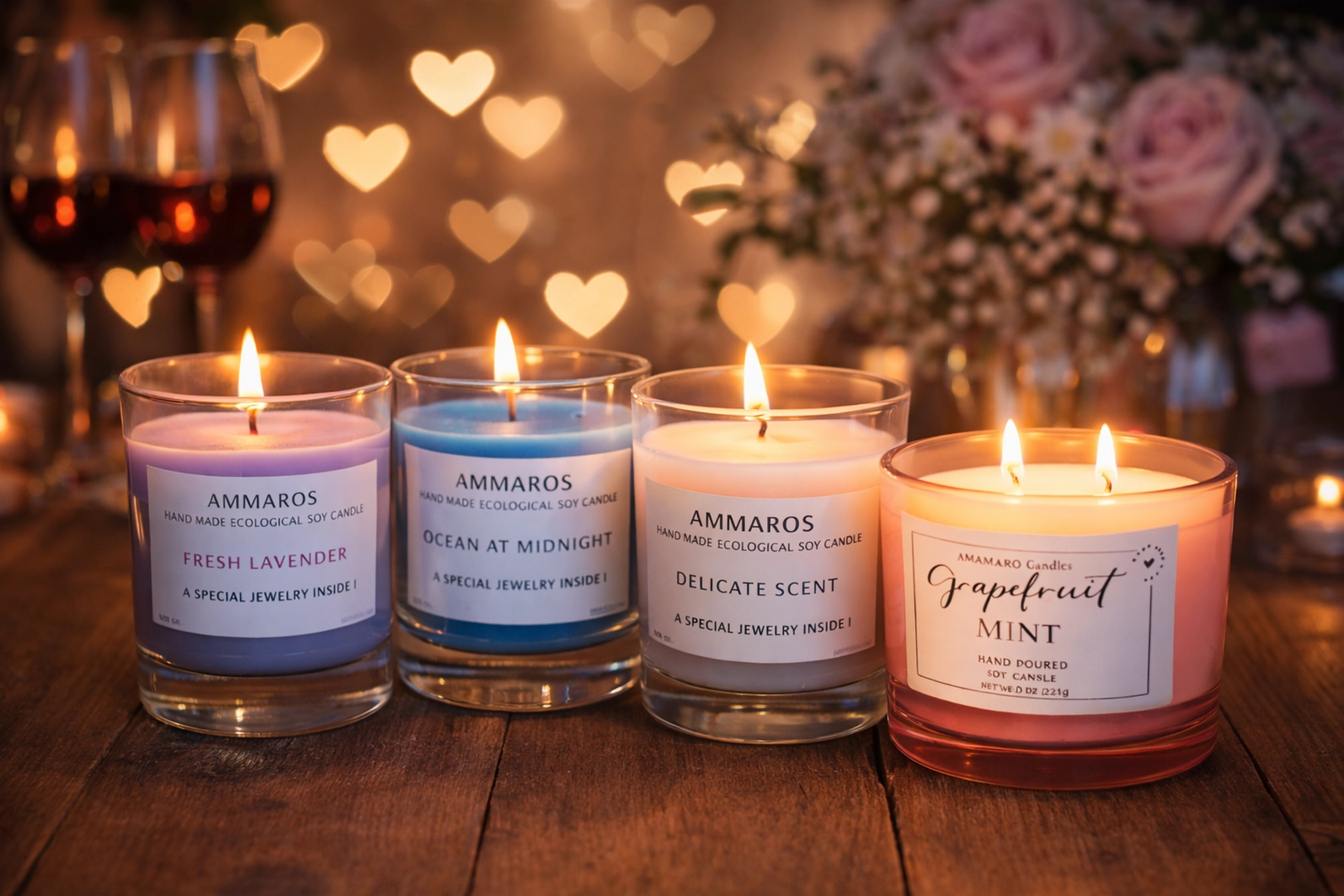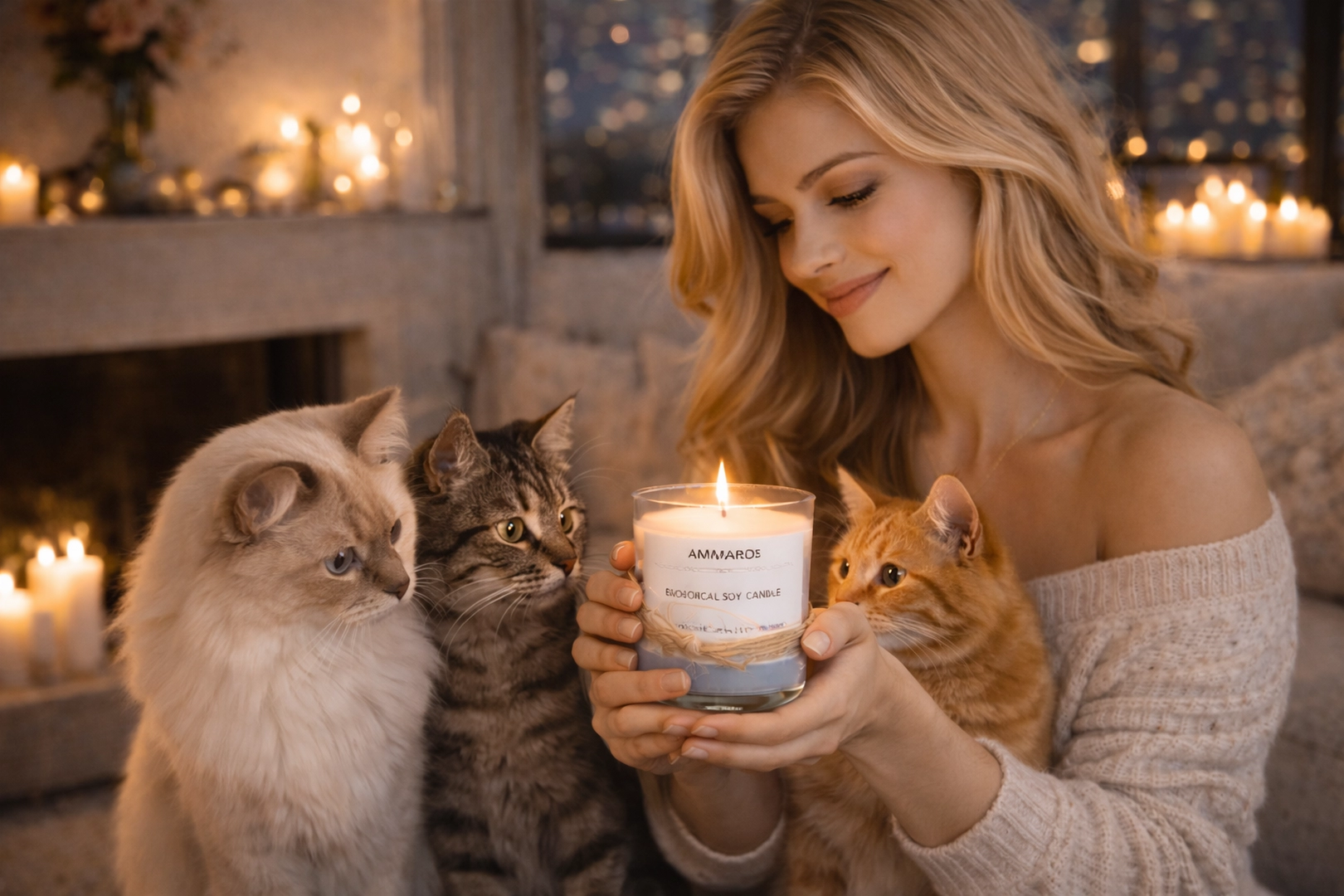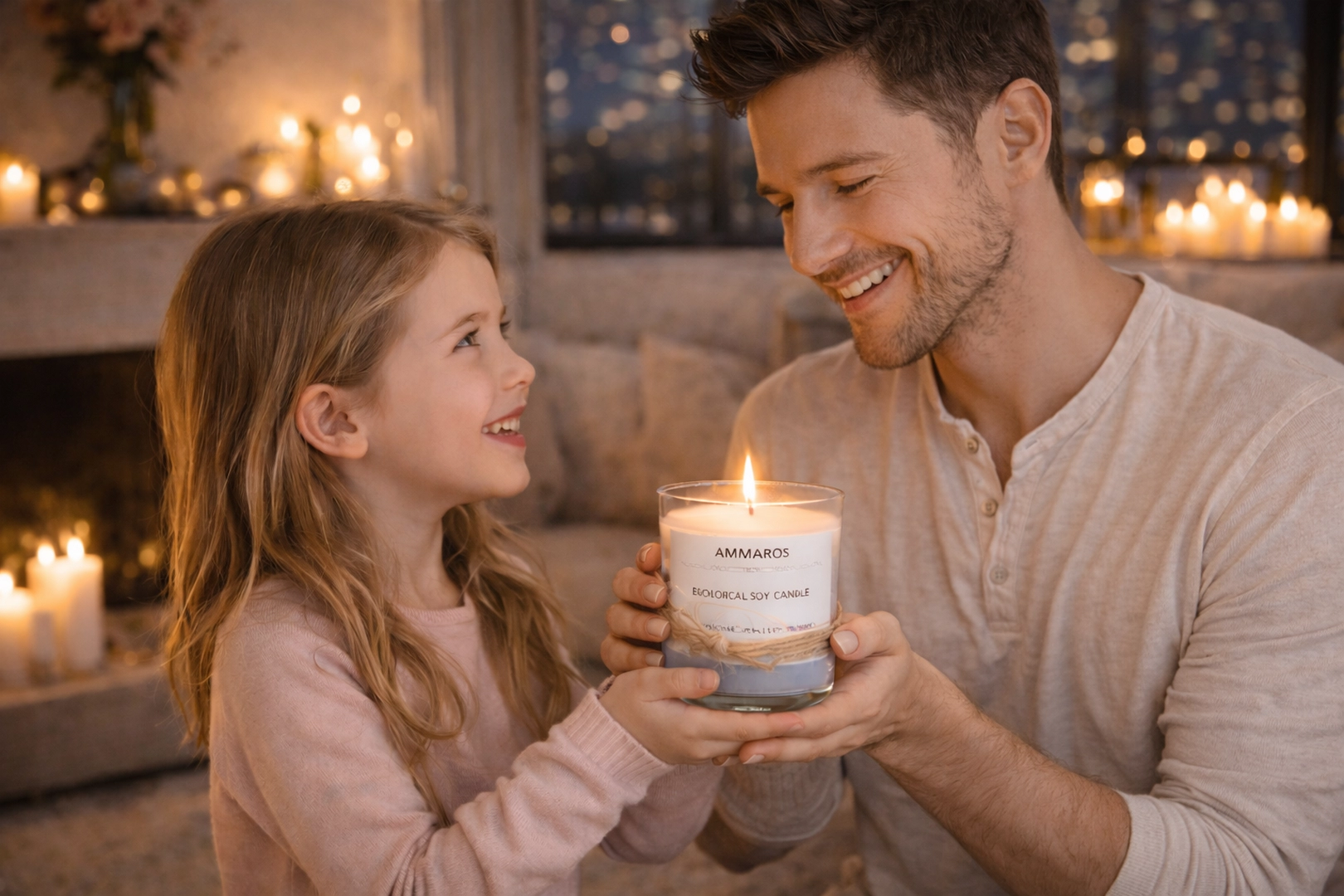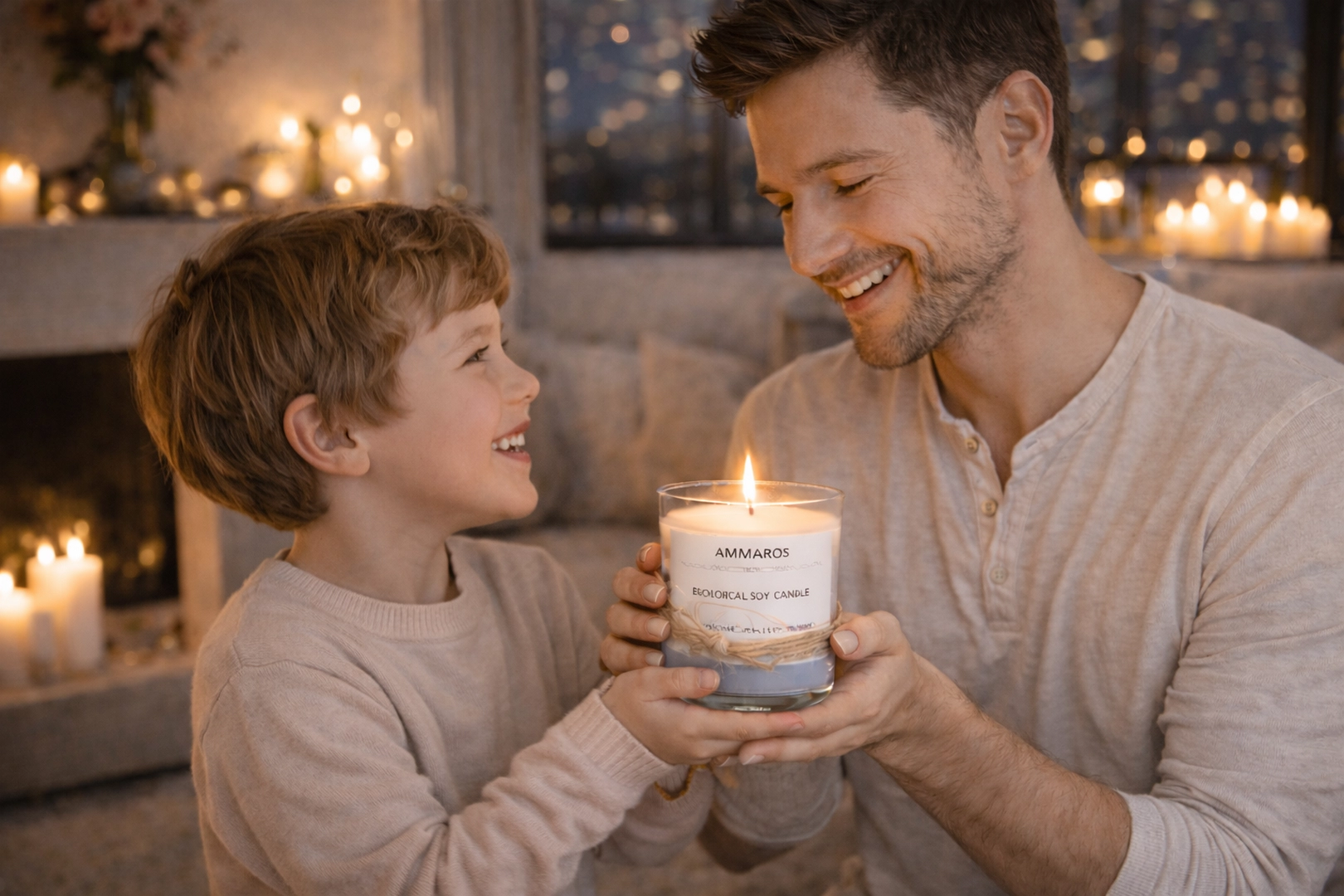
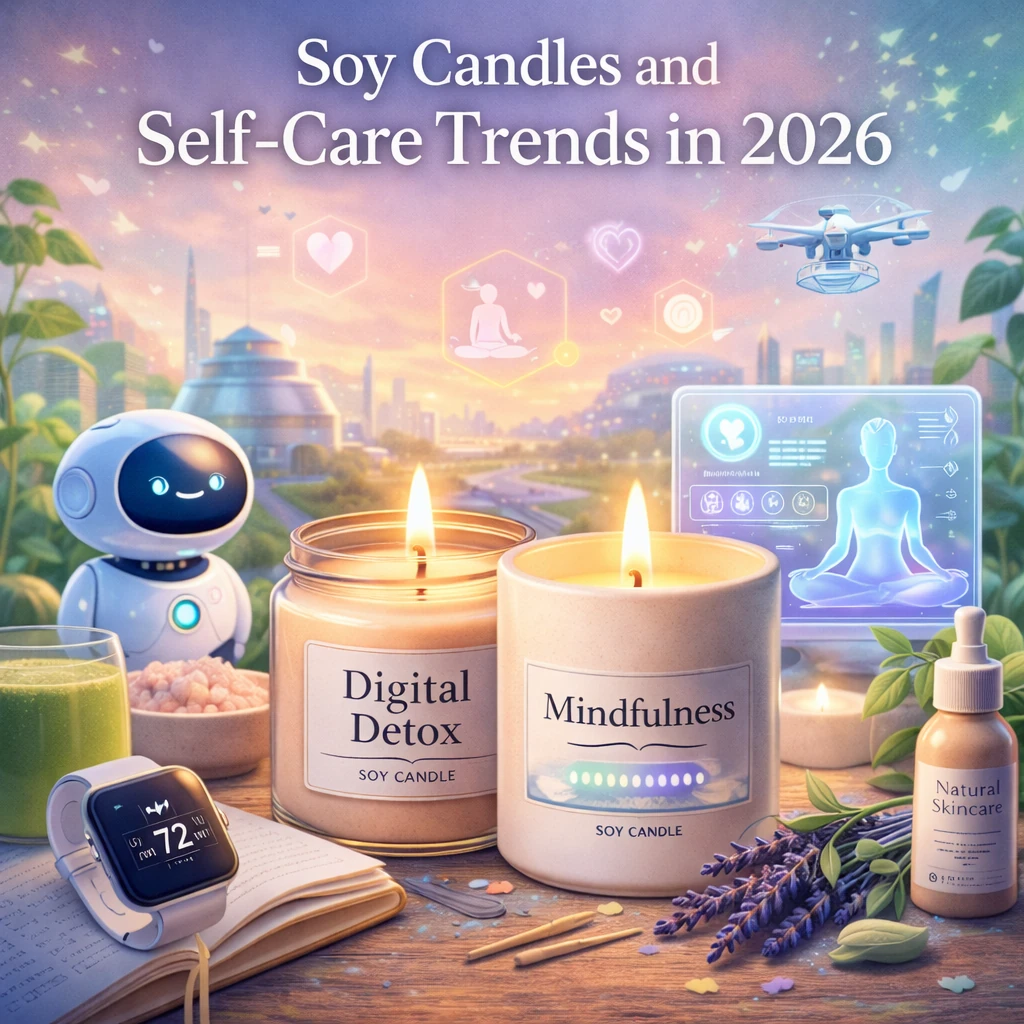
Self-care in 2026 looks less like a one-size-fits-all checklist and more like a flexible lifestyle layer woven into busy schedules. People are building small, repeatable rituals that help them reset between school runs, work blocks, errands, workouts, and late-night scrolling. In that evolution, soy candles continue to hold a special place because they’re both practical and symbolic: they change a room’s mood quickly, they support routines without demanding extra time, and they offer a gentle sensory cue that says, “This moment is for me.”
Soy candles have also grown alongside a broader shift toward thoughtful purchases. In 2026, buyers are more aware of ingredients, scent strength, and burn performance—and they’re paying attention to the story behind a product without needing it to be loud. The candle becomes a tool for comfort, focus, and emotional regulation, but also a small expression of values: clean-feeling materials, mindful design, and products that fit calmer homes and calmer minds.
Self-Care Gets Smaller, Smarter, and More Sustainable
One of the clearest themes in 2026 is “micro self-care.” Instead of waiting for perfect conditions—an empty house, a full evening, a big budget—people are practicing mini rituals that can happen in five to fifteen minutes. A soy candle fits perfectly into that approach because it starts working instantly. Light it, and the environment shifts: the light softens, the air changes, the room feels intentional. It’s a tiny action that tells your brain a boundary is being set.
Sustainability also feels more personal in 2026. It’s less about trendy labels and more about everyday decisions that reduce waste and feel realistic. Consumers are choosing reusable jars, refill-friendly containers, minimalist packaging, and scents that don’t overwhelm small spaces. Soy candles align with this because they’re often associated with a cleaner, simpler vibe—especially when the product design focuses on clarity and quality rather than excess.
The Rise of “Mood Mapping” Through Scent
In 2026, people are getting better at noticing patterns in their energy and emotions. Self-care isn’t only about relaxation—it’s about regulating your day. That’s where mood mapping comes in: matching a scent profile to a specific mental state you want to support. Soy candles are becoming a practical way to create these mental “modes” without relying on screens or complicated routines.
Comfort scents remain popular, but the trend is more nuanced now. Instead of only “sweet vanilla” or “fresh linen,” people are selecting blends that match a time of day or an intention. Warm woods for grounding, citrus for alertness, herbals for a clean reset, cozy spices for evening decompression. The candle becomes an anchor that makes a routine feel repeatable and familiar.
Many households keep multiple candles on rotation, not for decoration, but for emotional convenience. When you’re tired, you don’t want to make ten decisions—you want a simple cue that helps you transition. Lighting the “focus” candle before a study session or the “unwind” candle after dinner becomes an easy signal: your environment supports what you’re trying to do.
Sensory Self-Care Moves Beyond the Screen
Digital wellness isn’t just about limiting screen time in 2026—it’s about building real-world sensory experiences that compete with the pull of apps and endless feeds. People want comfort that feels physical: soft lighting, calm textures, clean scents, and small objects that make a space feel safe. Soy candles are right in the center of this shift because they engage more than one sense at once.
A candle’s flame is also a low-effort visual focus point. It’s subtle, but it matters. A steady glow creates a sense of pace that screens don’t. Even in bright rooms, candlelight can feel like a gentle pause button. The result is a self-care tool that feels simple and timeless while still fitting modern routines.
Quiet Luxury and “Home Sanctuary” Aesthetics
Home design trends in 2026 continue to lean toward calm spaces that feel curated without being showy. “Quiet luxury” shows up in candles through subtle labels, neutral tones, and jars that look like they belong in any room. The goal isn’t to prove you bought something expensive. The goal is to create a space that feels intentional, uncluttered, and restful.
Soy candles fit the “home sanctuary” trend because they’re both decor and function. A well-designed candle can sit on a nightstand, a bathroom shelf, or a living-room tray and look natural. At the same time, it’s doing something meaningful: making that corner feel like a place where you breathe deeper.
In 2026, people are also embracing softer “zoning” at home. Instead of one room doing everything, small areas are being set up for specific moods—reading corners, reset stations, slow mornings at the kitchen table. A soy candle is often the easiest way to define those zones, because the act of lighting it marks the start of a routine.
Ingredient Awareness Becomes Part of Self-Care
Self-care trends aren’t only about feelings in 2026. They’re also about trust. Buyers are paying closer attention to what they bring into their spaces, especially in products used frequently. They want candles that feel clean, balanced, and thoughtfully made. This doesn’t mean shoppers all become experts in wax chemistry, but it does mean labels and descriptions matter more.
People gravitate toward products with clear communication: what the scent is meant to feel like, how strong it is, how it performs in smaller versus larger rooms, and how to get the best experience from it. A candle becomes part of self-care when it’s predictable and reliable. The scent shouldn’t surprise you in a stressful moment. It should feel like a supportive choice you can count on.
The New Candle Rituals: Morning, Midday, Night
Routines in 2026 are more modular. People build rituals that match the reality of unpredictable days, and soy candles help structure that rhythm. Morning candles are about clarity: clean citrus, soft herbs, gentle florals that feel bright without being sharp. The goal is a calm start rather than a rushed launch.
Midday rituals are about resets. A short break can feel bigger when the environment shifts. A candle with a crisp, airy profile can create a “fresh page” feeling between tasks. For remote work and hybrid schedules, that kind of boundary matters. It reduces the sense that the day is one continuous blur.
Evening rituals lean into comfort, but not always sweetness. In 2026, many people choose warm woods, creamy notes, mild spices, and softly cozy blends that feel like a blanket rather than dessert. This is the self-care moment most people protect the most: a signal that the demands of the day are lowering and the nervous system can settle.
Social Self-Care and “Ambient Hosting”
Another trend shaping 2026 is the idea that self-care can be social without being exhausting. Hosting is becoming softer and less formal: small gatherings, low-pressure meals, and “come as you are” vibes. Soy candles play a quiet role here because they make a space feel welcoming without much effort.
“Ambient hosting” is the art of creating comfort through atmosphere instead of complicated plans. A candle on the table, one by the sink, one in the living space—suddenly the whole home feels warmer. It’s the difference between a room that’s simply clean and a room that feels lived in and cared for.
This trend also connects to gifting. In 2026, practical gifts with emotional meaning are winning. A soy candle feels personal without being too personal. It says, “I want you to have a calmer day,” without requiring deep explanations or big gestures.
Personalization Without Overwhelm
Personalization is everywhere in 2026, but people are tired of complicated choices. They want options that feel curated. Candle buyers often look for collections designed around moods, seasons, and daily routines. Instead of browsing hundreds of random scents, they prefer a smaller set that makes sense: “Focus,” “Unwind,” “Cozy,” “Fresh,” “Sleepy,” “Bright.”
This is where soy candles work beautifully. They can be chosen like playlists. You don’t need one perfect candle for every moment. You build a simple set of go-to options and rotate them based on what your day asks of you. It becomes self-care that doesn’t require constant decision-making.
How Soy Candles Fit Into Wellness Spaces at Home
In 2026, “wellness spaces” don’t have to be big. They can be a shelf, a tray, a corner of a desk, or a bathroom counter. The point is to create a repeatable environment that supports you. A soy candle is often the centerpiece of these setups because it transforms the space quickly and adds warmth without clutter.
Many people pair candles with small supportive habits: stretching, journaling, reading, skincare, gentle tidying, or quiet music. The candle doesn’t do the self-care for you, but it helps the ritual feel real. It provides an opening moment—an invitation to slow down.
The most effective wellness spaces are the ones that are easy to use. In 2026, that’s the main standard: if a routine is too complicated, it doesn’t survive a busy week. A soy candle can be part of a routine because it asks so little of you and gives so much back in atmosphere.
Seasonal Self-Care Becomes More Intentional
Seasonal living continues to trend in 2026, but in a grounded way. Instead of treating seasons like a shopping event, many people use them as emotional checkpoints. Winter is for comfort and softness. Spring is for freshness and renewal. Summer is for brightness and lightness. Autumn is for warmth and reflection. Soy candles make seasonal shifts feel tangible without changing your whole home.
A seasonal rotation also supports mental variety. When your environment changes slightly through scent and light, the days feel less repetitive. That matters in a world where many routines happen in the same place. A candle is a small seasonal marker that keeps life feeling textured.
Looking Ahead: The Future of Candle-Based Self-Care
The direction of self-care in 2026 points toward rituals that are easy, sensory, and sustainable. Soy candles fit that future because they offer comfort without demanding time, and they help people shape their environment in a way that feels supportive rather than performative. The candle isn’t a luxury reserved for special occasions anymore. It’s a quiet daily tool, like a favorite mug or a well-worn blanket.
As people continue to protect their peace in small ways, soy candles will remain part of the self-care toolkit because they’re adaptable. They work for a slow morning, a mid-afternoon reset, a cozy evening, a bath, a reading session, or a gentle moment of stillness. In 2026, self-care is less about doing more and more about feeling better in the life you already have—and a simple flame can be the beginning of that shift.