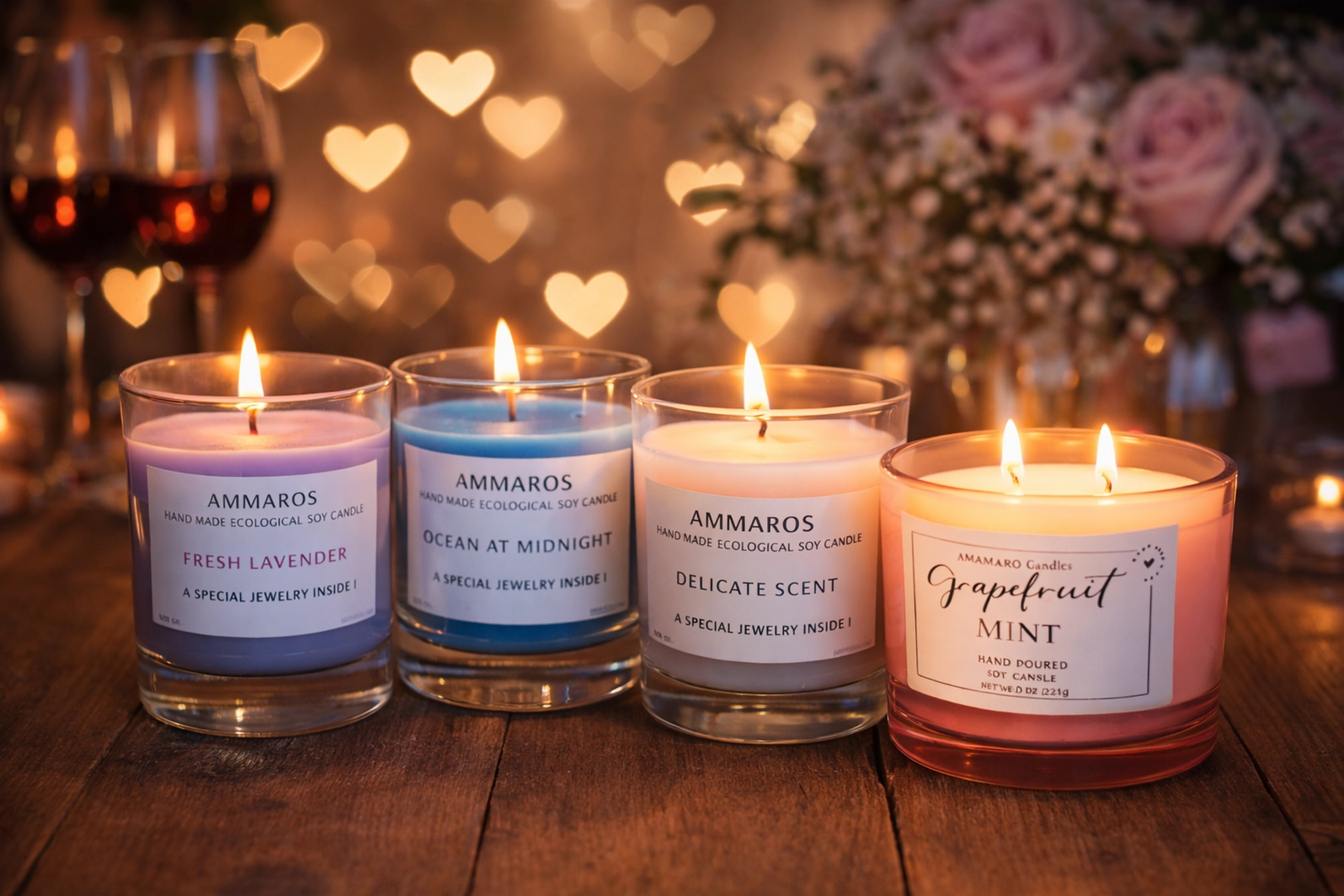
Candle labels can feel reassuring: natural, eco, clean, non-toxic. They sound like a shortcut to a safer, more responsible purchase. The problem is that these words often mean different things depending on the brand, the country, and the product category. Some terms are loosely defined marketing language, while others are tied to specific standards or certifications. If you want to choose candles confidently, the best approach is to learn what these labels usually imply, what they do not guarantee, and which details on the packaging actually matter.
This guide breaks down the most common “better-for-you” and “better-for-the-planet” claims. You’ll learn how to read ingredient lists and safety statements, what to look for in wax, wick, and fragrance, and how to spot vague promises. By the end, you’ll have a clear checklist you can use in any store or online listing to separate genuinely transparent products from ones that simply sound good.
Why Candle Label Terms Can Be Confusing
Many candle label terms are not regulated in a strict, universal way. A candle can be called “natural” even if only one component is plant-based, or “eco” because the brand uses recyclable packaging—even if the candle itself contains petroleum-derived wax. Meanwhile, “non-toxic” is often used without explaining which substances were tested, how they were tested, or what exposure the claim is referring to.
Another reason labels are tricky is that a candle is a combination of parts: wax, wick, fragrance (or essential oils), dye, and container. A brand might highlight the cleanest part of the formula while staying vague about the rest. For example, “soy wax candle” may be accurate, but the candle might still use synthetic fragrance and dye. That does not automatically make it “bad,” but it does mean the label alone doesn’t tell the full story.
The most helpful mindset is to treat front-label claims as a starting point, not a conclusion. Real clarity comes from specifics: what the wax is made of, what kind of wick is used, what the fragrance ingredients are, and whether the brand provides documentation.
What “Natural” Usually Means on a Candle
“Natural” sounds like it should mean “made entirely from materials found in nature,” but in candle marketing it often means something narrower and more flexible. Most commonly, “natural” refers to one of these ideas:
A plant-based wax (such as soy, coconut, rapeseed/canola, or blends that include these). Sometimes it refers to a natural-looking aesthetic, or to a fragrance story built around botanicals. In some cases it means the candle contains essential oils, though this does not automatically mean the fragrance is exclusively essential oils.
The key limitation is that “natural” does not guarantee the candle is free of synthetic fragrance, colorants, stabilizers, or performance additives. Many high-performing candles use carefully selected ingredients—including some synthetics—because they improve scent throw, burning behavior, and consistency. The real question is whether the brand is transparent about what’s included and why.
What “Eco” or “Eco-Friendly” Might Indicate
“Eco” is one of the broadest claims in the candle world. It can refer to ingredients, manufacturing, packaging, shipping, or sourcing ethics. Sometimes it’s meaningful; sometimes it’s a vague “green” vibe with little substance behind it.
When “eco” is used responsibly, it is usually supported by specifics such as: responsibly sourced plant waxes, reduced plastic packaging, reusable or refillable containers, and supply-chain transparency. Some brands also emphasize local production, lower-waste operations, or recycled materials.
However, “eco” does not automatically mean “cleaner for indoor air,” and it does not always mean “biodegradable,” “renewable,” or “low carbon.” Plant waxes can be renewable, but sustainability depends on farming practices, land use, transport, and processing. An eco claim is strongest when it answers a clear question: What exactly is more eco-friendly about this candle compared to a typical candle?
What “Non-Toxic” Can Mean (and What It Often Leaves Out)
“Non-toxic” is a powerful phrase because it speaks directly to personal safety. But it can also be one of the least specific. In many markets, candles are not required to use a standardized “non-toxic” definition on consumer packaging. As a result, the term is frequently used as a general reassurance rather than a precise statement.
A careful way to interpret “non-toxic” is this: it may indicate the brand avoids certain ingredients commonly associated with concern, and it may indicate the product is used as intended under typical conditions. But without additional context, you cannot assume it means “zero risk,” “no irritation potential,” or “safe for every person in every environment.”
The most trustworthy “non-toxic” claims are backed by details such as: a clear ingredient policy, safety documentation for fragrances, compliance statements for relevant regulations, and transparent answers to customer questions. If the brand provides a Safety Data Sheet for fragrance oils, allergen disclosure, or testing information, that’s a stronger signal than the label word alone.
The Candle Parts That Matter Most for These Claims
To evaluate “natural,” “eco,” and “non-toxic,” it helps to think in three main categories: wax, wick, and fragrance. Packaging and dyes matter too, but most of the performance and perception issues come from these core components.
Wax: Plant-Based, Petroleum-Based, and Blends
Wax is the base material that fuels the flame. Common wax families include plant-based waxes (such as soy, coconut, rapeseed/canola), animal-based wax (beeswax), and petroleum-derived wax (paraffin). Many candles use blends to balance burn quality and scent performance.
Plant-based wax labels can be helpful, but they need context. “Soy candle” might mean 100% soy wax, or it might mean “soy blend.” A blend can still be a thoughtful product, but the label should be honest about what’s inside. If a brand emphasizes “natural,” look for clarity on whether the wax is fully plant-based or a mix.
A practical tip: search for wording like “100% soy wax” versus “soy blend.” If a product description never clarifies, that is a transparency gap. A trustworthy listing typically explains the wax type and why it was chosen (longer burn, stronger scent throw, smoother tops, better hot/cold performance).
Wicks: Materials, Performance, and Clarity
Wicks affect flame height, soot potential, melt pool size, and overall burn behavior. Common wick types include cotton, paper-cored cotton, wood wicks, and specialty braided designs. Many brands highlight “cotton wick” as a clean, simple feature.
The most helpful information is the wick’s material and whether it is designed to burn steadily for the chosen wax and container size. A candle can be “natural” on paper but burn poorly if the wick is mismatched, leading to smoking, tunneling, or an overactive flame. In real life, performance quality and safety depend on proper design as much as ingredient choices.
If a brand mentions “lead-free,” that can be reassuring, but look for additional detail beyond that phrase. A good label or product page often states wick type and burn recommendations. The absence of wick details isn’t always a red flag, but transparency here is a plus.
Fragrance: The Biggest Source of Vague Claims
Fragrance is often the most complex part of a candle formula and the place where labels become the least specific. A candle can use essential oils, fragrance oils, or blends of both. “Natural fragrance” is a phrase that can be interpreted in many ways, and “clean fragrance” is often a brand-defined standard rather than a universal one.
The best practice as a consumer is to look for clarity around: whether the candle uses essential oils, fragrance oils, or a mix; whether the brand follows a restricted ingredient policy; and whether allergens are disclosed where applicable. Some brands share a “no list” of ingredients they avoid. That can be useful, but only if it is detailed and consistent across products.
It’s also worth knowing that “synthetic” does not automatically mean “harmful,” and “natural” does not automatically mean “gentle.” Essential oils can be potent and may irritate sensitive individuals, especially in small spaces. What matters is responsible formulation, appropriate concentration, and clear guidance for use.
“Clean Burn” and “Clean” Claims: Helpful or Hype?
You may see “clean burn,” “clean candle,” or “clean fragrance” alongside “eco” and “non-toxic.” These terms are appealing, but they are often not defined in a strict way. Sometimes “clean burn” is meant to signal minimal soot when used properly, or that the candle is made from plant wax and a cotton wick.
The challenge is that soot and smoke are strongly influenced by how a candle is burned. Even a well-made candle can smoke if the wick is too long, if there is a draft, or if the candle is burned for too long at a time. A more meaningful claim is one that pairs the promise with instructions, such as trim recommendations and ideal burn session length.
If you see “clean,” look for the supporting details: wax type, wick type, and fragrance disclosure practices. When those are clearly stated, “clean” becomes more than a buzzword—it becomes a summary of transparent choices.
What Real Transparency Looks Like on a Candle Label
A candle label has limited space, so the most transparent brands usually rely on a combination of label details and a robust product page. Still, there are signs of honesty you can look for even in a short description.
Helpful specifics include: the exact wax type or blend disclosure, wick material, net weight, burn time estimate, safety instructions, and manufacturing location. If fragrance is present, look for language that explains whether it is essential-oil based, fragrance-oil based, or blended. If dye is used, “dye-free” can be stated clearly; if not, the product page can clarify colorants.
Transparency also shows up in consistency. Brands that truly care about these claims usually describe their standards the same way across multiple products. If one listing is detailed and another is vague, it might be a sign that the terms are used more for marketing than for accuracy.
Certifications and Standards: When a Claim Has More Weight
Some labels are strengthened by independent standards or third-party verification. These can vary by region and by the materials used. While not every high-quality small-batch candle will carry certifications, a certification can add confidence when it is relevant and clearly described.
What matters most is that the brand can explain what a certification covers. A packaging certification does not automatically speak to fragrance content. A wax sourcing claim does not automatically guarantee a specific burn behavior. If a candle relies heavily on certification language, look for a simple explanation of what is actually certified: ingredient origin, manufacturing practices, packaging materials, or another defined area.
If a brand uses “eco” or “non-toxic” without any references to standards, it can still be a good candle—but it places more importance on the brand’s transparency and detail. In these cases, the product description should be clear enough that you can understand the candle’s composition without guessing.
Common Red Flags: When Labels Are Doing Too Much Work
Some listings rely on comforting words while avoiding specifics. These are a few patterns worth noticing: very large claims (“chemical-free,” “100% non-toxic,” “zero emissions”) without explanation; heavy emphasis on buzzwords but no wax or wick disclosure; and product pages that talk about “clean ingredients” yet never say what the fragrance contains.
Another red flag is when a brand implies that all other candles are dangerous while presenting its own candle as the only safe option. Candle quality exists on a spectrum, and safe use matters. A trustworthy brand educates customers and sets realistic expectations rather than using fear-based comparisons.
Finally, be cautious of labels that promise performance without showing design competence. Claims about clean burning should be backed by practical details: wick trimming guidance, recommended burn sessions, and a burn time estimate that fits the candle size.
A Practical Shopping Checklist for “Natural,” “Eco,” and “Non-Toxic” Claims
If you want a quick way to evaluate candles in the moment, focus on questions that lead to real information rather than marketing language. This checklist works for stores, markets, and online product pages.
Look for a clear wax statement. If it says “soy,” see whether it also says “100% soy” or “soy blend.” Check the wick material if it is listed. Look for burn time and safety instructions, which often correlate with brands that test their products seriously. If “non-toxic” is claimed, see whether the brand shares a fragrance policy, allergen info, or any documentation. If “eco” is claimed, see what exactly is eco about it: refillable jars, reduced packaging, recycled materials, or responsible sourcing.
When in doubt, choose transparency over buzzwords. A candle that calmly explains its materials is typically a better bet than a candle that repeats reassuring adjectives without details.
How to Compare Candles Without Overthinking It
You don’t need to turn candle shopping into a chemistry exam. A simple comparison approach is to pick your top priorities and measure each candle against them. If indoor air comfort is your biggest concern, prioritize a brand that discloses fragrance practices, uses stable wicks, and provides burn guidance. If sustainability is your top priority, look for refill systems, packaging reduction, and responsible sourcing details. If you want a truly minimal ingredient candle, look for unscented options with clear wax and wick information.
Also remember that the “best” candle on paper can still disappoint if it doesn’t match your space. Small rooms, low ventilation, and very long burn sessions can intensify scent and smoke from any candle. A balanced approach—choosing a well-made candle and using it as directed—often does more than chasing the most impressive label.
Using Candles in a Way That Supports Cleaner Burning
Labels matter, but how you burn a candle can matter just as much. A steady flame and minimal smoke depend on simple habits. Keep the wick trimmed to the recommended length, place the candle away from drafts, and avoid burning it for excessively long sessions. If you notice visible smoke, flickering, or a sooty container, it’s usually a signal to adjust the wick and environment rather than a definitive judgment about the candle’s ingredients.
If you are sensitive to fragrance, start with a lighter scent, use the candle in a larger space, and consider unscented or essential-oil-forward options if they work for you. If you have pets or small children, choose stable containers, keep candles out of reach, and prioritize clear safety instructions and responsible packaging.
The Bottom Line: Words vs. Proof
“Natural,” “eco,” and “non-toxic” can be meaningful, but only when they are supported by specifics. The most reliable way to shop is to treat these words as signals to look closer, not as guarantees. A candle that clearly states its wax type, wick material, fragrance approach, and burn guidance is usually a safer bet than one that relies on broad promises.
When you train your eye to look past the headline claims, candle labels become less confusing and more empowering. You’ll be able to choose products that match your values, suit your space, and deliver the experience you want—without getting lost in vague marketing language.