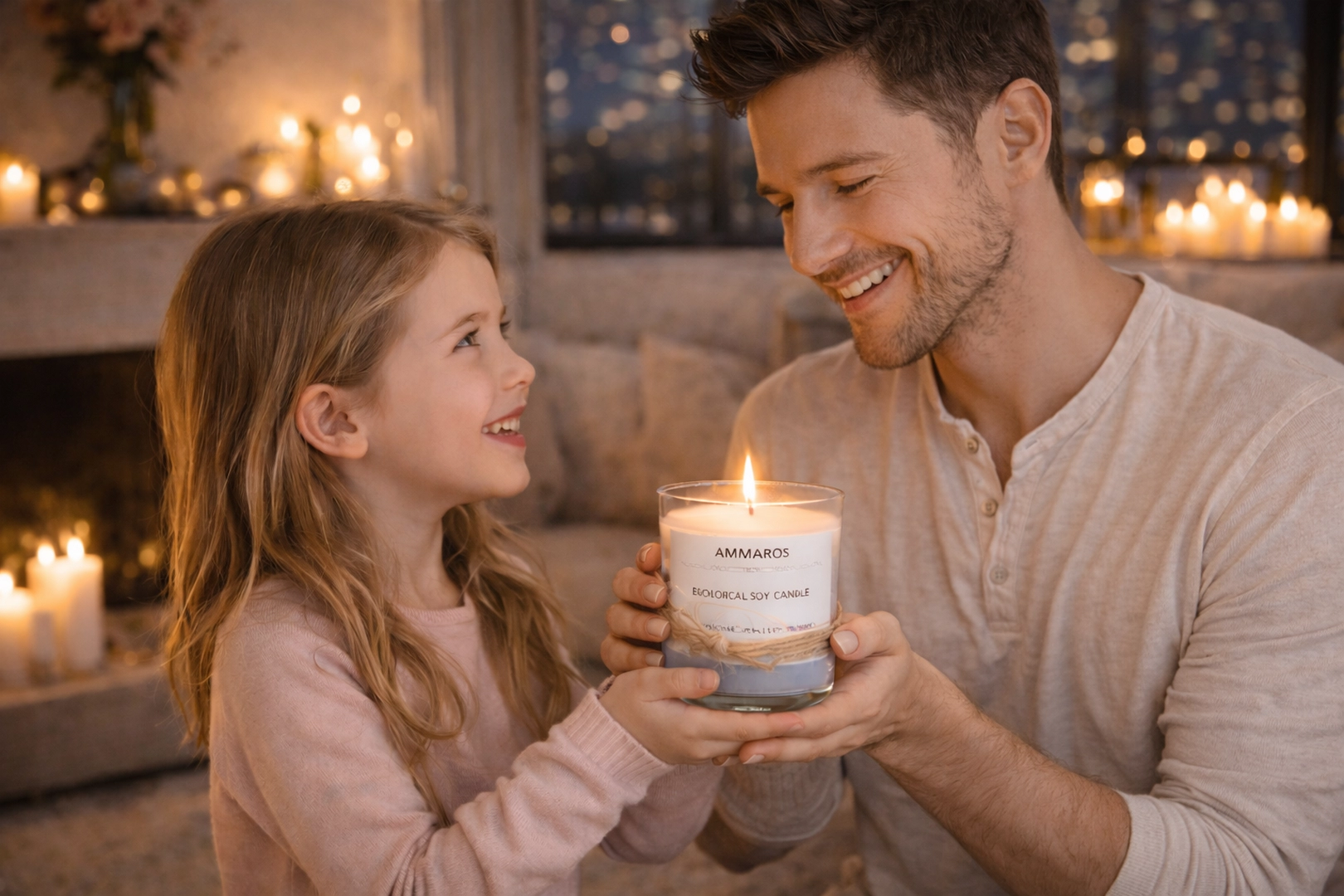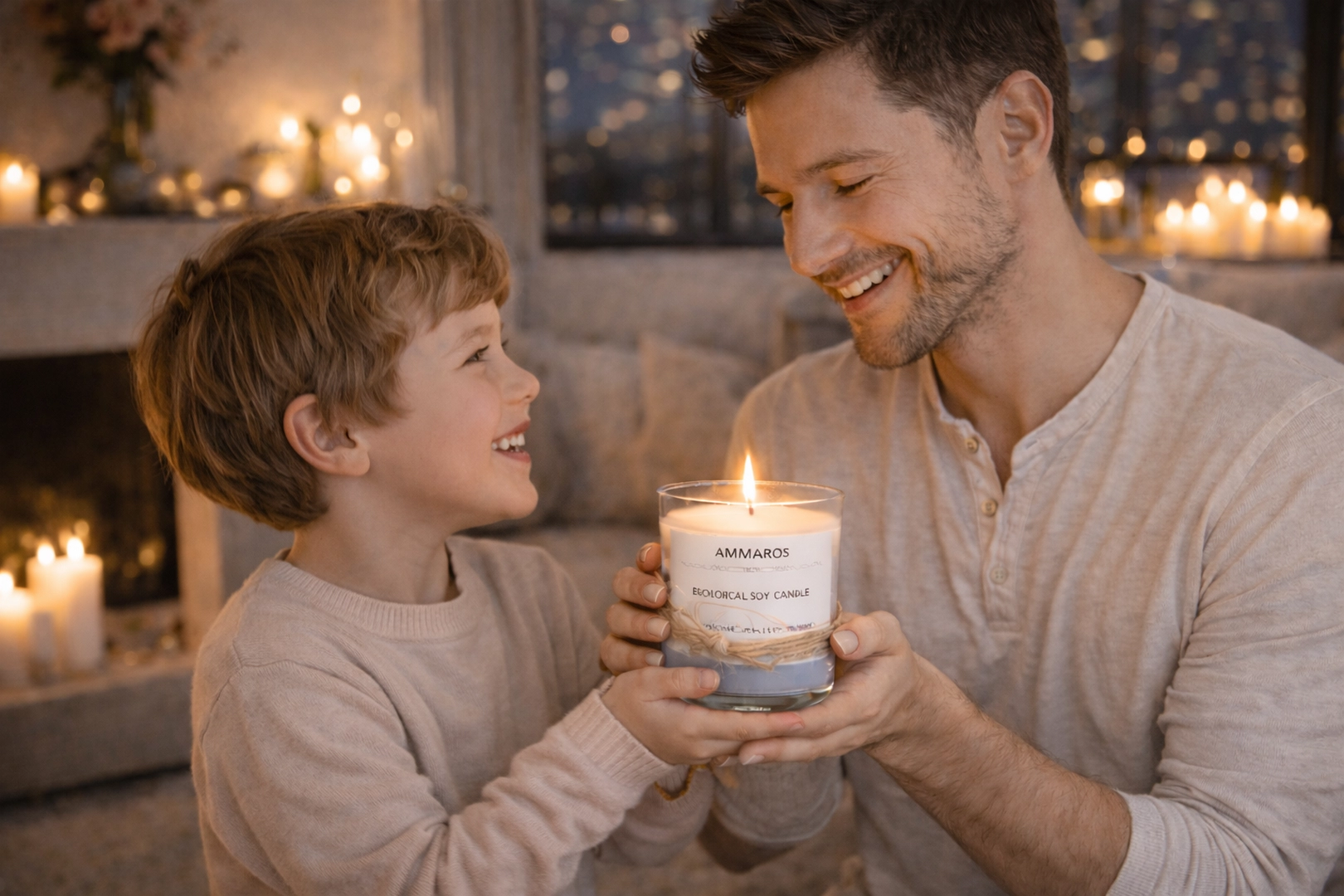
A home that smells wonderful doesn’t happen by accident. Scent is one of the fastest ways to change how a space feels—cleaner, calmer, cozier, brighter, or more luxurious—without moving a single piece of furniture. Soy candles make it especially easy to build a welcoming atmosphere because they tend to burn evenly, pair beautifully with essential and fragrance oils, and can fit every style of home, from minimalist apartments to warm, layered family spaces.
The secret is not simply lighting a candle and hoping for the best. The best-smelling homes use scent the way designers use lighting: intentionally, by room, by mood, and by time of day. With a few simple strategies, soy candles can help your home smell consistently amazing—never overpowering, never random, and always “you.”
Start With the Feeling You Want
Before choosing scents, decide what you want your home to communicate. Do you want it to feel freshly cleaned? Cozy and comforting? Bright and energizing? Calm and spa-like? When you start with a feeling, it becomes much easier to pick candle notes that support it.
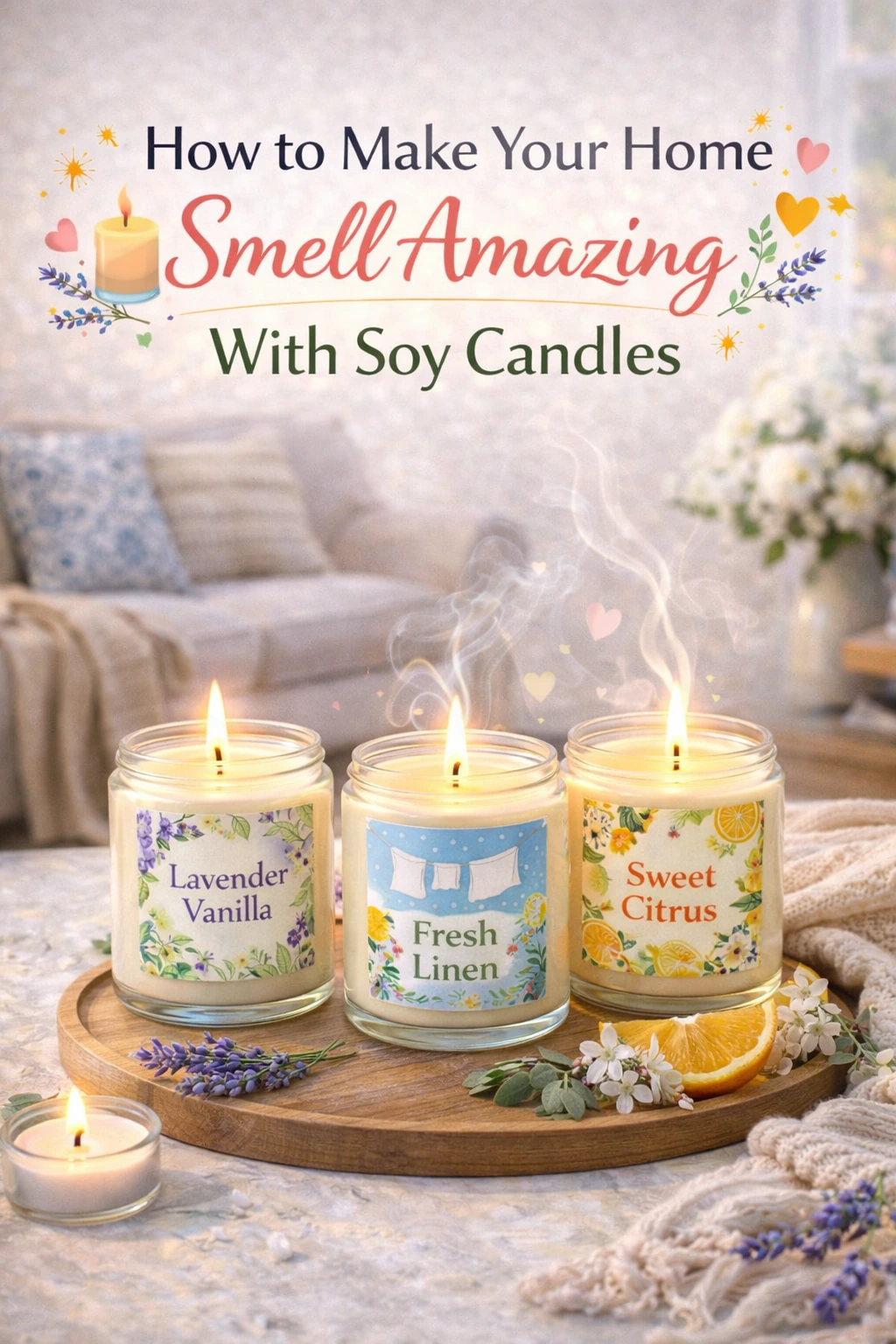
For a “just cleaned” vibe, look for crisp notes like cotton, linen, white tea, eucalyptus, or a light citrus. For cozy comfort, reach for vanilla, amber, sandalwood, tonka, cinnamon, or warm woods. For a fresh, airy mood, think lavender, sage, rosemary, or soft florals. For energy, try grapefruit, lemon, bergamot, or mint.
The goal is harmony. When your scents match the mood of your décor and the way you live, everything feels more put-together—even on ordinary days.
Choose the Right Soy Candle for Each Room Size
One of the biggest reasons candles disappoint is simple: the candle isn’t sized for the room. A small candle in a large open space may smell faint, while a large candle in a small room can feel too intense. When you match candle size to the space, you get a balanced scent that fills the room naturally.
In smaller rooms like bathrooms, entryways, and compact bedrooms, a smaller soy candle often works beautifully. In medium rooms like home offices and dining rooms, a mid-size jar candle usually creates a noticeable but comfortable presence. Large living rooms, open-concept spaces, and rooms with high ceilings often benefit from larger candles, multi-wick candles, or using two smaller candles placed in different areas.
Think of it like sound. You want your scent to be clearly “heard,” but not loud enough to drown out everything else.
Understand Scent Notes Like a Perfume
Great home fragrance is layered. Many candle scents are built like perfume, with top, middle, and base notes. Top notes are what you smell first—often citrus, herbs, or light fruits. Middle notes form the heart—florals, spices, tea notes, or soft greens. Base notes last the longest—woods, vanilla, musk, amber, and resins.
When you shop, look for candles that list multiple notes. A candle with structure tends to smell more “finished” and less flat. It also keeps the scent interesting from the first light to the last.
If you want a home that smells consistently good, choose a small family of scents that share at least one note. For example, you can rotate a citrus candle in the daytime and a warm vanilla-wood candle at night. Even though they’re different, they feel connected.
Build a Simple “Scent Map” for Your Home
A scent map is a plan for how fragrance moves through your space. You don’t need a candle in every corner. You only need fragrance in key areas that naturally spread scent where people actually notice it.
The entryway sets the first impression. A clean, welcoming scent here makes your whole home feel fresh. The living room is where you relax and host, so comforting, crowd-pleasing notes work well. Bedrooms benefit from calming scents that feel soft rather than sweet. Kitchens are tricky because food aromas compete—here, crisp herbal or citrus candles often work better than heavy gourmands. Bathrooms shine with spa-like notes such as eucalyptus, mint, or clean florals.
The best trick is to keep nearby rooms related, not identical. If your living room is warm and cozy, your hallway can be airy woods, and your bedroom can be lavender with a gentle vanilla base. It feels intentional rather than repetitive.
Use Timing to Make Scents Feel Stronger
The same candle can smell completely different depending on when you burn it. Your nose adjusts to scent quickly, which means constant fragrance becomes background. Timing brings the magic back.
Try lighting a soy candle 20–40 minutes before guests arrive, then blowing it out shortly after they enter. The space will still smell amazing, but the scent won’t feel heavy. For everyday life, burn candles in focused “sessions” rather than all day. This keeps the fragrance noticeable and prevents nose fatigue.
A morning routine might call for citrus, mint, or airy greens. Late afternoon can shift toward tea notes, soft florals, or gentle fruits. Evening often feels best with warm woods, vanilla, amber, or cozy spices.
Create Signature Pairings That Always Work
Pairing scents is where your home goes from “nice” to “memorable.” You can keep it simple by pairing one fresh scent with one warm scent, and using them in different rooms or different times of day.
Citrus plus herbs feels clean and elevated. Vanilla plus woods feels cozy and luxurious. Lavender plus soft musk feels spa-like. Apple or pear plus cinnamon feels warm and familiar. Coconut plus sandalwood feels like calm vacation energy without being overly sweet.
If you like variety, rotate within a theme. For example, keep your home in a “clean and airy” family during spring, then transition to “warm woods and spice” in autumn. The home still feels consistent, just seasonally refreshed.
Place Candles Where Scent Can Travel
Placement matters more than most people realize. A candle tucked behind décor may look cute but won’t perform as well. You want the fragrance to move naturally through the room.
Place candles in areas with gentle airflow, such as near (but not directly under) an open doorway, along a hallway, or on a coffee table in the center of a seating area. Avoid spots where strong drafts can cause uneven burning, but do take advantage of natural movement in the home. Warm air rises, so higher surfaces can sometimes help scent disperse, especially in spaces with high ceilings.
In large rooms, consider using two candles at opposite ends rather than one very strong candle in the center. The scent becomes smoother and more even.
Get the Best Scent Throw From Every Burn
The “throw” is how well a candle fills a space with fragrance. Even a beautiful soy candle can underperform if it’s not burned correctly. A few habits make a big difference.
Let the top layer of wax melt into a full pool across the surface during your burn session. This helps the candle burn evenly and supports a better scent experience over time. Keep the wick trimmed so the flame stays steady and clean. A stable flame supports consistent warming of the wax, which helps release fragrance smoothly.
If your candle is struggling to perform, try moving it to a slightly smaller room, or burn it for a little longer during a session—within safe, reasonable use. Sometimes the issue isn’t the candle; it’s the scale of the space.
Keep Your Home’s Base Smell Fresh
Candles work best when your home already smells clean. If there are lingering odors—trash, cooking grease, damp towels, pet smells—candles end up battling the air instead of enhancing it. The result can feel mixed or muddy.
A few small habits create a clean base: air out rooms regularly, wash soft textiles like throws and cushion covers, clean sink drains, and keep garbage sealed. In kitchens, wiping down stovetops and backsplashes prevents odors from sticking around. In bathrooms, fresh towels and quick surface cleaning help everything feel crisp.
When the “background” is clean, your soy candle’s scent reads clearer and more true to its notes.
Match Scents to Materials in Your Décor
Homes feel especially luxurious when scent matches texture. If your décor leans modern and airy—white walls, light wood, clean lines—fresh tea notes, linen scents, eucalyptus, or citrus can fit beautifully. If your space is warm and layered—books, rugs, darker woods—amber, vanilla, spice, and sandalwood tend to feel natural.
Even small details matter. A home with lots of plants can pair beautifully with herbal greens. A home with leather and wood often feels perfect with smoky woods or soft musk. When scent and materials align, the space feels designed rather than decorated.
Seasonal Shifts Without Overhauling Your Collection
You don’t need dozens of candles to keep things interesting. A small seasonal rotation can make your home feel refreshed all year without creating clutter.
In spring, aim for fresh florals, light fruit, and clean greens. In summer, citrus, coconut, ocean air, and bright herbs feel lively. In autumn, lean into apple, pumpkin spice notes, warm woods, and amber. In winter, vanilla, pine, cedar, cinnamon, and cozy blends feel comforting.
Keep one or two “signature” candles that you burn anytime—something you never get tired of. Then add a couple seasonal scents that come out when you want a change. This keeps your home consistent while still feeling updated.
Make Guests Remember Your Home
The most memorable homes don’t just smell good; they smell distinctive. A signature scent doesn’t have to be unusual—it just needs to be consistent and intentional. When the entryway always smells fresh and welcoming, and the living room always carries a soft cozy warmth, people start to associate that scent story with your space.
For gatherings, choose scents that are widely appealing and not too sweet or heavy. Warm woods, soft vanilla, gentle citrus, white tea, and light herbs often work well for many people. Keep the scent present but not overpowering, and let the atmosphere do the rest.
A Simple Routine That Works Every Week
If you want your home to smell amazing consistently, create a routine that’s easy to repeat. Pick an entryway candle for first impressions, a main living space candle for comfort, and a bedroom candle for calm. Burn them in short sessions at the times you actually use those spaces. Refresh the base smell of your home with quick cleaning habits and regular airflow. Rotate a seasonal scent when you want a change.
When you do this, scent becomes part of how your home “runs,” not an afterthought. Soy candles turn into a tool you can use to reset your mood, welcome guests, and make everyday life feel a little more beautiful.
Bring It All Together
The best-smelling home isn’t the one with the strongest candle—it’s the one with the smartest scent choices. Pick scents that match the feeling you want, size them to the room, place them where fragrance can travel, and burn them with intention. Layer notes like a perfume, build a simple scent map, and rotate seasonally without losing your signature style.
With these habits, soy candles can make your home smell not just “good,” but unmistakably inviting—like a place people want to stay a little longer.