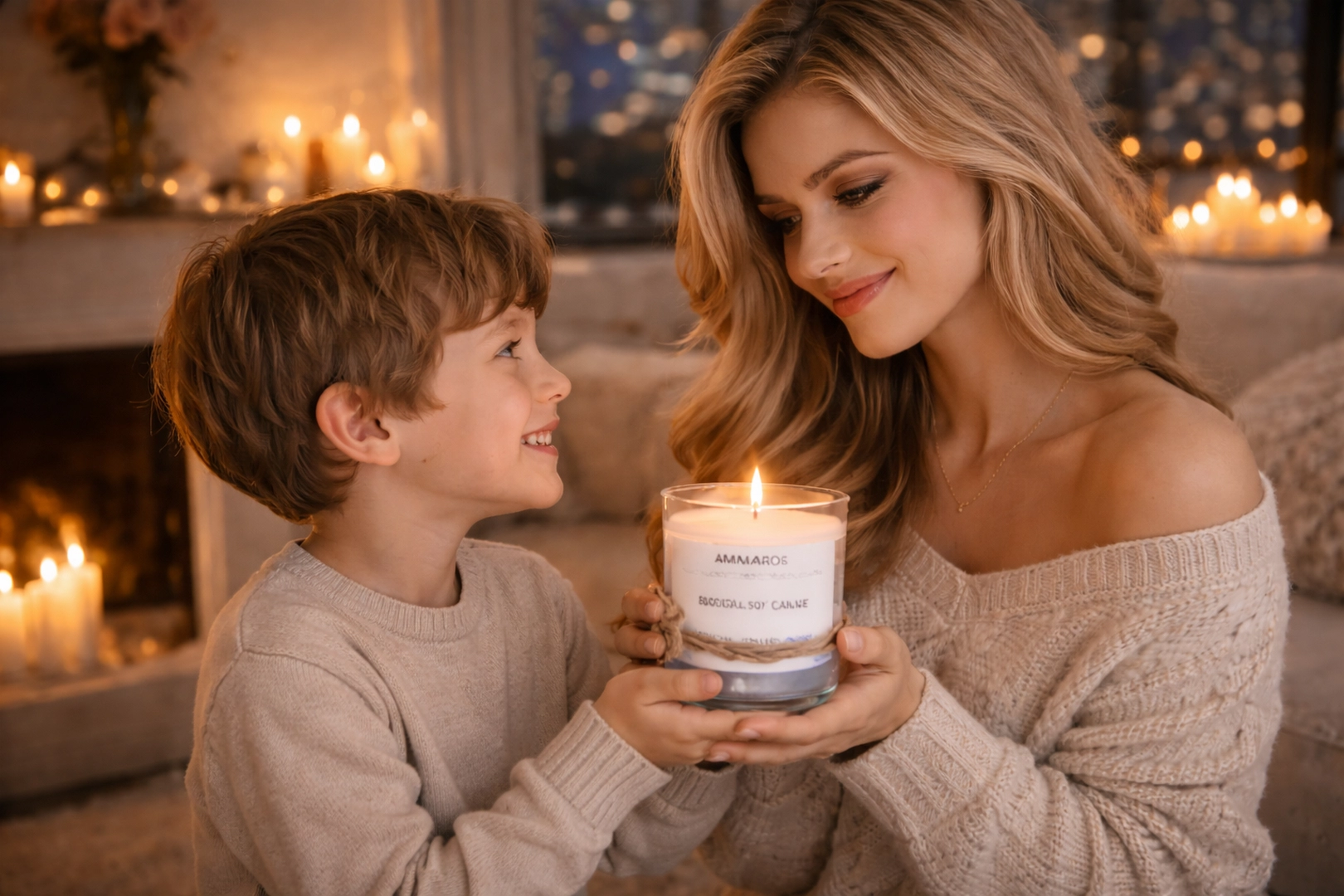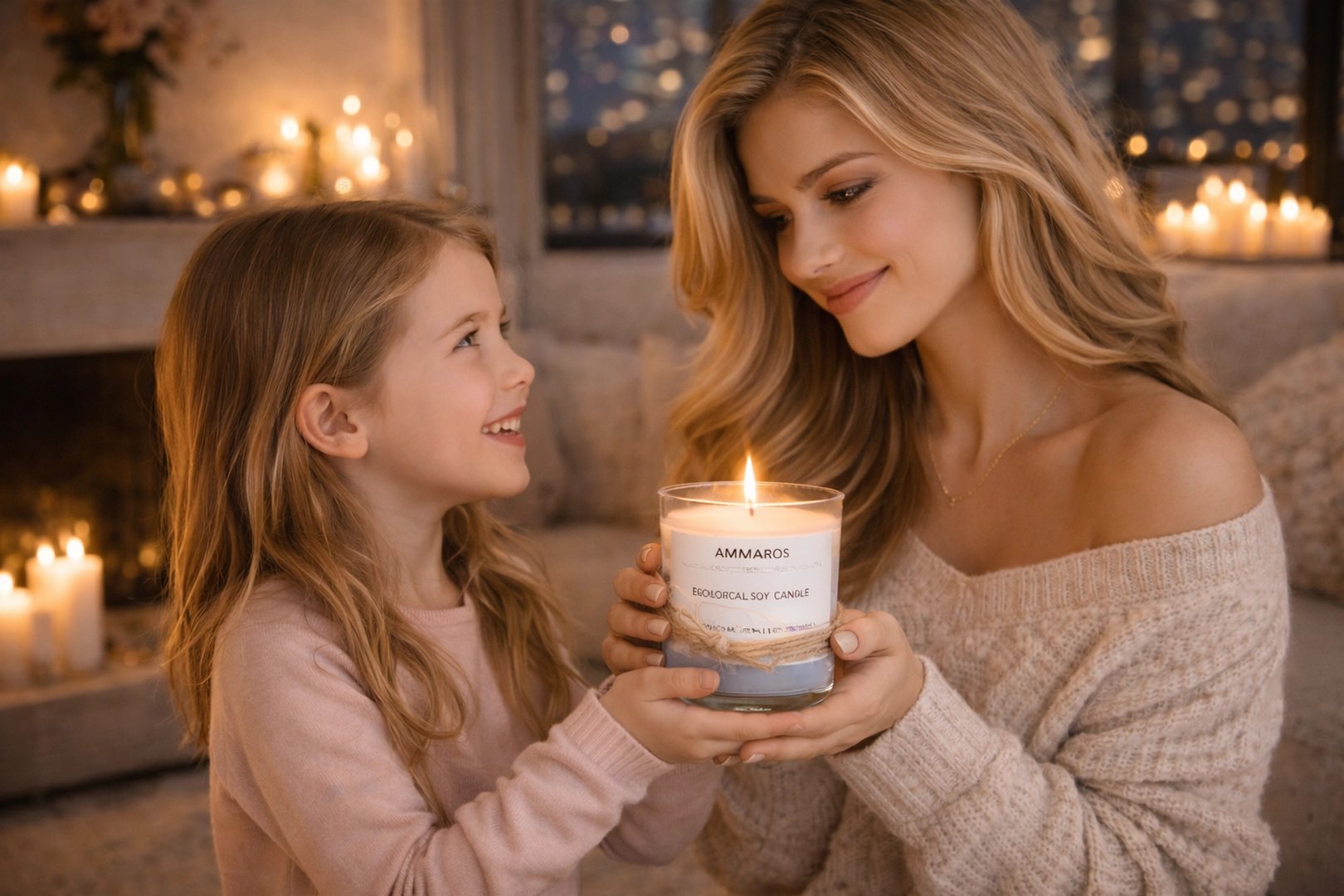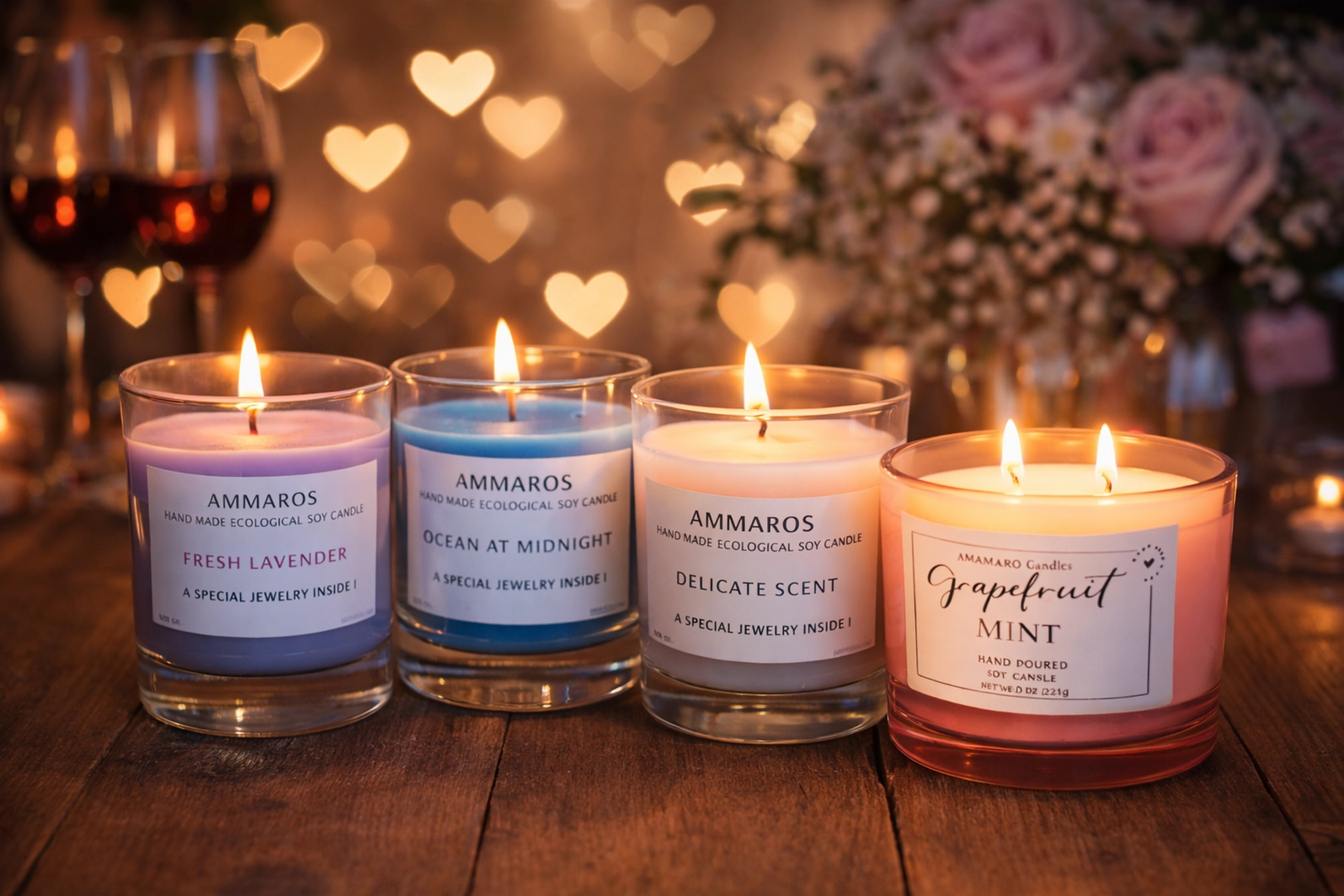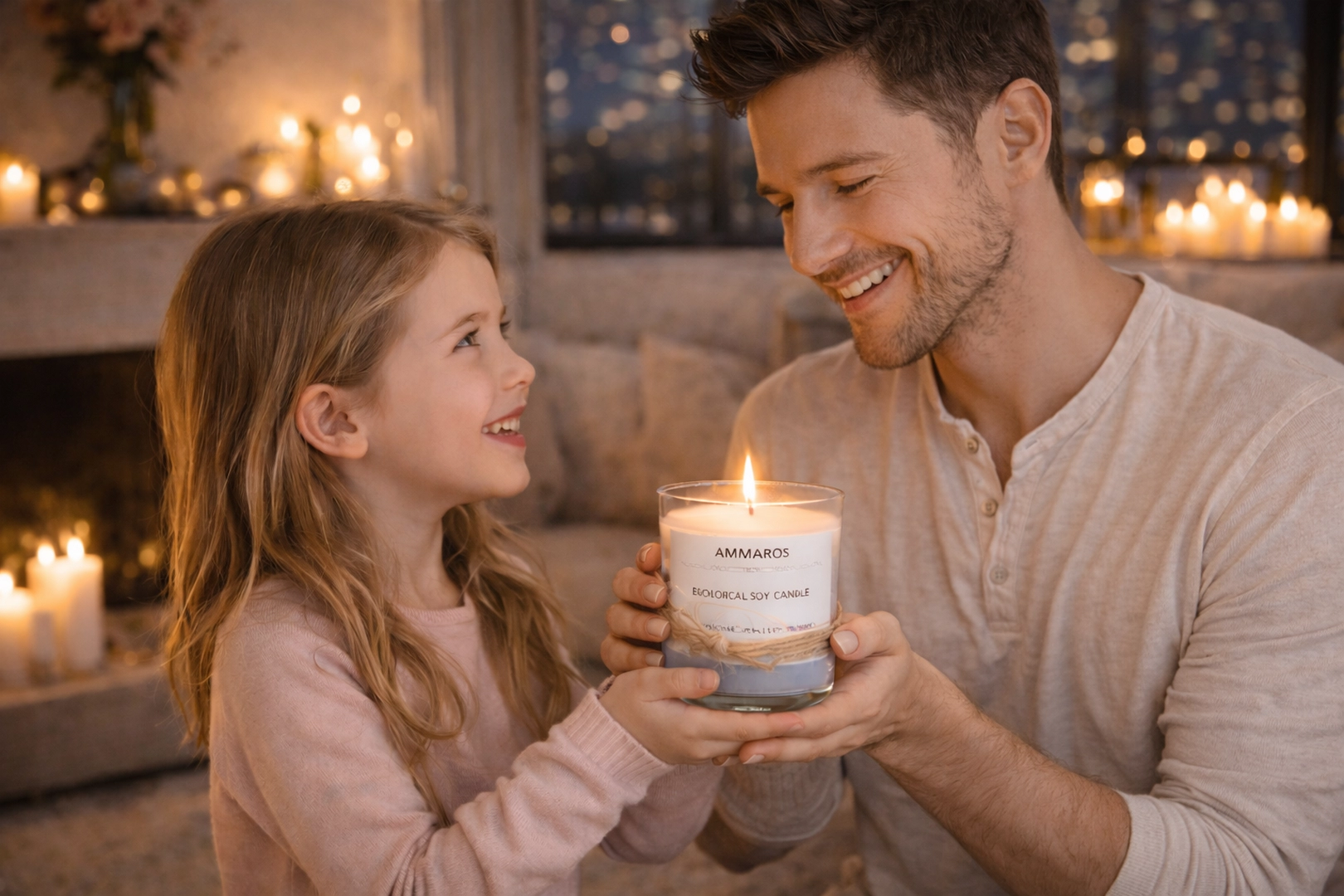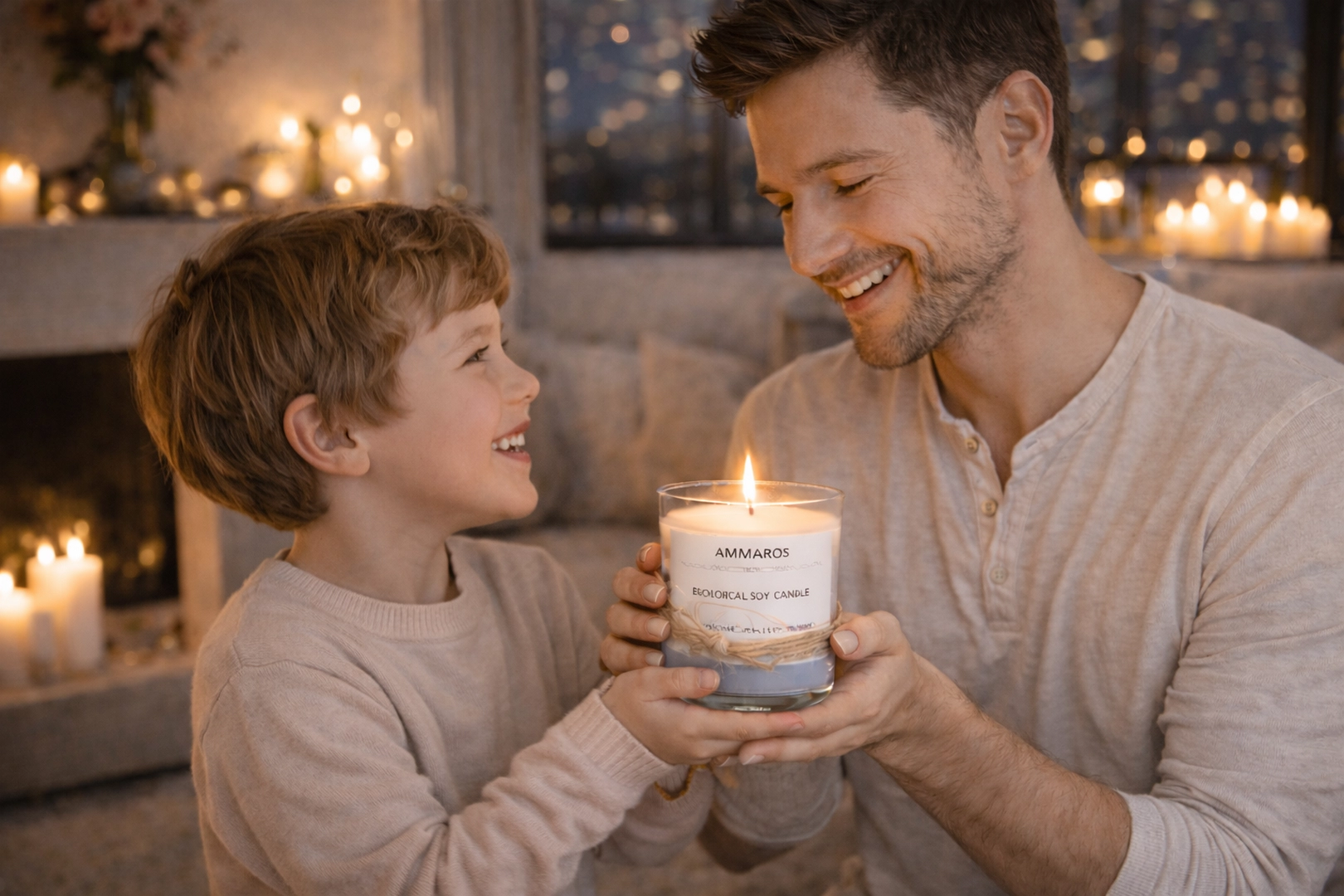
Winter changes how fragrance behaves. Cold air and closed windows can make a room feel still, and scents that felt “light and perfect” in summer can seem faint or one-note in January. Soy wax is a great match for winter because it tends to burn cleanly and evenly, letting complex fragrance blends unfold gradually—exactly what you want on long evenings when the goal is comfort, calm, and a cozy atmosphere.
This guide focuses on winter-friendly scent families, what they feel like in real spaces, how to choose based on your home and mood, and how to make your candles perform their best when the temperature drops. Whether you love a “fresh snowfall” vibe, a bakery-warm kitchen feel, or a deep woodsy lounge atmosphere, there’s a winter soy candle profile that fits.
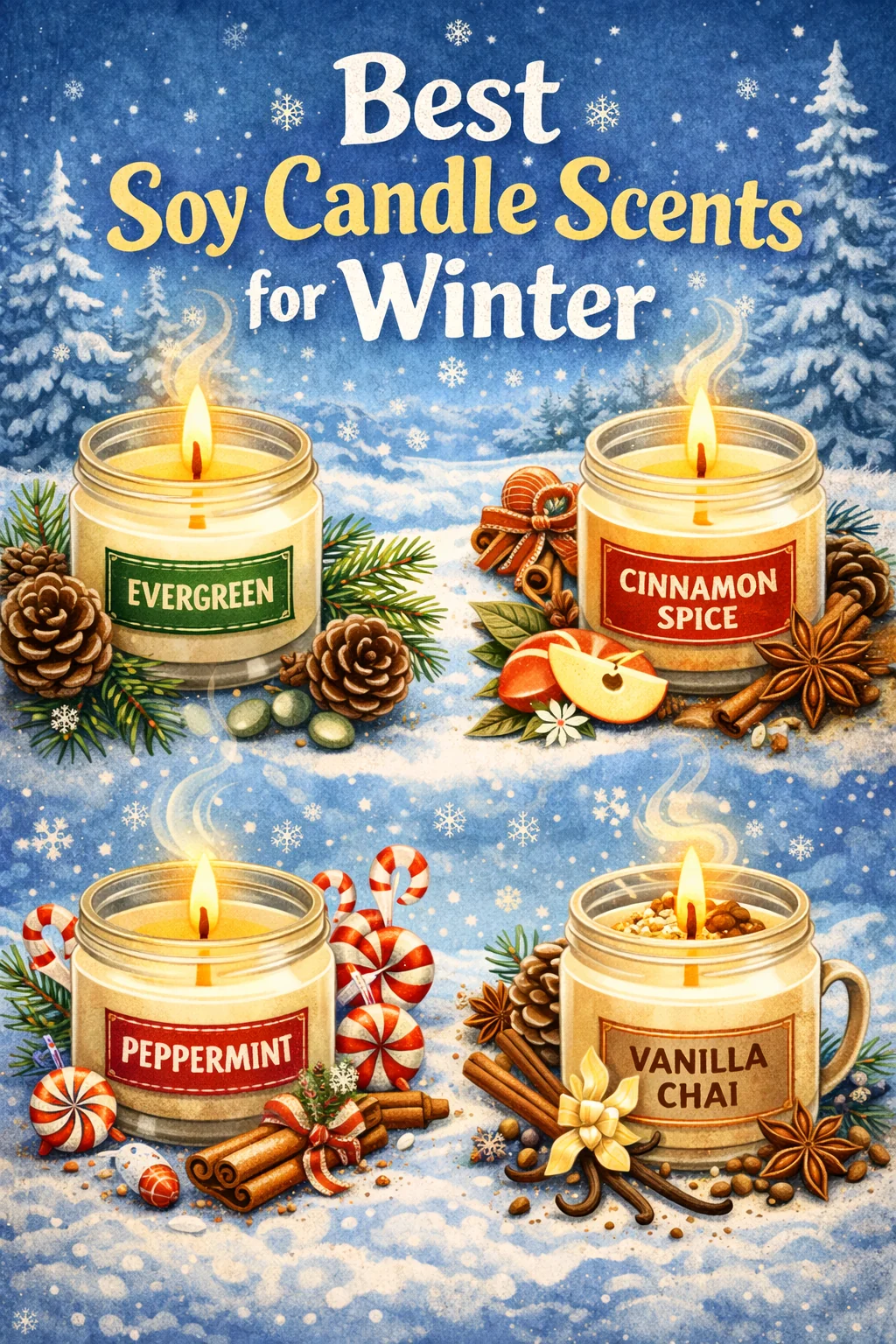
What Makes a Scent Feel “Wintery”
Winter scents usually fall into a few emotional categories: warmth, nostalgia, coziness, and contrast. Warmth often comes from vanilla, amber, woods, spices, and resin notes. Nostalgia shows up through evergreen, orange peel, cinnamon, and baked-goods accords. Coziness can be created with soft musks, cashmere notes, creamy tonka, and gentle gourmands. Contrast means pairing something crisp (mint, eucalyptus, cold air, citrus zest) with something comforting (woods, vanilla, marshmallow, amber) so the fragrance feels alive rather than heavy.
Another winter factor is “throw,” the distance the fragrance travels. In colder months, many homes are more sealed, which can help scent linger—but drafts from heaters, vents, and open doors can also break up scent pockets. For winter, layered fragrances with distinct top, heart, and base notes typically feel fuller, especially in open-plan rooms.
Evergreen and Forest Scents
If winter had a signature, it might be evergreen. Pine, fir, spruce, and cedar feel crisp, clean, and grounding. They work beautifully in soy wax because the resinous base notes develop slowly, creating a “walk in the woods” effect that doesn’t spike and disappear.
A classic winter forest blend often starts with bright needle notes (fir or pine), then adds a heart of cedar, juniper, or cypress, and finishes with a subtle amber or mossy base. If you want a more modern “luxury lodge” take, look for cedarwood + vetiver + a hint of smoke. If you prefer a cleaner, airy forest, choose fir + eucalyptus + a touch of mint.
Best spaces for evergreen candles include entryways, living rooms, and anywhere you want to reset the vibe after cooking. They also pair well with winter décor because they make a room feel fresh without smelling like detergent.
Spiced Citrus: Orange, Clove, and Cinnamon
Spiced citrus is the “holiday without the clichés” category when done right. Orange peel, bergamot, or mandarin bring brightness, while clove, cinnamon, and nutmeg bring warmth. The result can feel festive, energizing, and comforting at the same time.
For a refined winter profile, pick blends where citrus leads and spice supports. Orange + clove + a soft amber base is cozy but not overly sweet. Bergamot + cinnamon bark + cedar can feel more sophisticated and less “bakery.” If you like a clean kitchen vibe, lemon peel + ginger + a whisper of vanilla is bright, warm, and easy to live with.
These scents are great for gatherings because they’re friendly and recognizable. They also work well in transitional spaces—hallways, open living areas, and kitchens—where you want a welcoming atmosphere.
Vanilla, Tonka, and Creamy Comfort Scents
Vanilla is a winter staple for a reason: it reads as warm, soft, and comforting, especially on cold nights. In soy candles, vanilla tends to feel smooth and long-lasting. But winter vanilla doesn’t have to smell like cupcakes—there are many styles, from airy and clean to dark and smoky.
If you want classic cozy, look for vanilla bean + caramel + a pinch of salt. For a more elegant profile, choose vanilla + tonka + sandalwood or vanilla + cashmere musk. If you enjoy something moodier, go for vanilla + amber + a hint of incense or smoked woods. Tonka brings a gentle almond-like warmth, and sandalwood adds creamy depth without turning the candle sugary.
These are ideal for bedrooms, reading corners, and evening wind-down routines. They’re also excellent “background candles” because they’re soothing without demanding attention.
Amber, Resin, and Incense Notes
Winter is the season for deeper base notes—amber, labdanum, frankincense, myrrh, benzoin, and soft incense accords. These scents feel warm, slightly sweet, and luxurious, like a dimly lit lounge or a cozy boutique hotel lobby.
A well-balanced amber candle often includes a bright top note (bergamot, orange peel, or pink pepper) to keep it from feeling too heavy. Resin notes add a smooth “glow” effect, and a gentle smoke accord can make the fragrance feel richer without becoming overpowering. If you want a calmer profile, look for amber + vanilla + sandalwood. If you want something more dramatic, try amber + incense + cedar + a hint of spice.
Amber and resin scents are perfect for living rooms, offices, or anywhere you want warmth that feels grown-up rather than sugary.
Woodsy: Cedar, Sandalwood, and “Cabin Air”
Wood scents create instant coziness. Cedar smells dry, slightly sweet, and comforting—like clean lumber, cedar closets, or a modern cabin. Sandalwood is creamier and softer, often paired with amber or vanilla for a plush finish. Vetiver adds an earthy, slightly smoky edge that keeps a wood blend from feeling flat.
“Cabin air” style scents often combine cedar + pine + a subtle smoke accord, sometimes with leather or a hint of spice. For a lighter take, cedar + bergamot + clean musk feels crisp and modern. For something truly winter-night cozy, sandalwood + amber + vanilla + a touch of cardamom feels like a warm blanket.
Woodsy candles are versatile and usually pair well with most home styles. They’re also excellent if you want a cozy mood without leaning into gourmand sweetness.
Gourmand Winter: Bakery, Cocoa, and Warm Sugar
Gourmand scents smell like food—cookies, cocoa, caramel, warm sugar, roasted nuts, and sometimes coffee. In winter, they can be incredibly comforting, especially on quiet evenings. The key is choosing a gourmand that feels balanced rather than overly sweet.
For a sophisticated gourmand, look for cocoa + vanilla + a touch of spice, or roasted hazelnut + tonka + a hint of espresso. If you like “fresh baked” scents, cinnamon roll or sugar cookie profiles are popular—but they can be strong, so consider smaller sizes for bedrooms or smaller rooms. For a cozy café vibe, coffee + caramel + creamy vanilla can feel rich and inviting.
Gourmands are best in kitchens, dining areas, and living rooms during evenings. If you’re sensitive to sweet scents, try a gourmand that includes woods, amber, or spice to give it structure.
Mint, Eucalyptus, and “Cold Air” Freshness
Not every winter scent needs to be warm and sweet. Crisp blends—peppermint, eucalyptus, rosemary, and “cold air” accords—can make a home feel clean, awake, and refreshed. They’re especially useful during winter when indoor air can feel heavy.
Mint can read as festive or spa-like depending on what it’s paired with. Peppermint + vanilla can feel like a winter dessert, while eucalyptus + rosemary + a hint of citrus feels like a high-end spa. For a modern winter freshness, look for eucalyptus + fir + a clean musk base—refreshing, but still seasonal.
These profiles work well in bathrooms, home offices, and any space where you want clarity and focus. They’re also great “reset candles” after cooking or when the room feels stuffy.
Floral in Winter: When Flowers Feel Cozy
Florals can absolutely work in winter—if they’re grounded. Light spring florals can feel out of place in cold months, but deeper, velvety floral notes can be elegant and comforting. Think rose with amber, jasmine with woods, or lavender with vanilla and tonka.
Winter florals often rely on a warm base: musk, sandalwood, or amber. A rose + oud style blend can feel luxurious and dramatic. Lavender + vanilla reads as calming and sleep-friendly. If you want something clean but soft, white tea + jasmine + gentle musk can feel like fresh linens without becoming “soapy.”
Floral winter candles are excellent for bedrooms and quiet spaces. They bring a sense of softness and calm when the outdoors feels harsh.
How to Choose the Right Winter Scent for Your Space
Start by thinking about what you want the room to feel like. If you want “fresh and seasonal,” choose evergreen, eucalyptus, or spiced citrus. If you want “warm and relaxing,” choose vanilla, amber, sandalwood, or cozy musks. If you want “dessert-cozy,” pick a gourmand with cocoa, caramel, or baked notes.
Room size matters too. Smaller rooms often feel best with softer scents—vanilla, lavender, gentle woods—while large open spaces can handle bolder throws like evergreen, spiced citrus, or rich ambers. If you’re unsure, choose a layered scent that includes a bright top note and a warm base; those tend to feel balanced in more environments.
Also consider what else is happening in your home. If you cook a lot, fresh woods or eucalyptus can help keep the air feeling clean. If you host guests, spiced citrus and evergreen are usually crowd-pleasers. If you’re building an evening routine, creamy vanilla, amber, or lavender-tonka blends can make the space feel instantly calmer.
Pairing Scents: Creating a Winter “Scent Wardrobe”
Many people buy one winter candle and try to use it everywhere. A better approach is building a small “scent wardrobe” with a few profiles that fit different moments. One crisp candle for daytime freshness, one cozy candle for evenings, and one social candle for gatherings can cover most winter moods.
A simple trio might look like this: an evergreen or eucalyptus blend for daytime, a vanilla-amber or sandalwood blend for evenings, and a spiced citrus blend for hosting. If you love gourmands, swap the evening candle for cocoa-tonka or a coffee-caramel blend. If you prefer clean scents, swap the hosting candle for fir + citrus or cedar + bergamot.
Pairing scents across rooms also helps your home feel intentionally “designed.” For example, keep a crisp scent near the entry, a cozy scent in the living room, and a calming scent in the bedroom.
Getting the Best Performance from Soy Candles in Winter
Cold weather can affect how a candle burns, especially if the room is chilly or drafty. To help your soy candle perform well, place it away from direct drafts like open windows, AC vents, or strong heater airflow. Drafts can cause uneven melting and reduce fragrance consistency.
On the first burn, let the wax melt across the surface so you get an even melt pool. This supports consistent performance over the candle’s life. Trim the wick between burns to help maintain a steady flame and reduce smoke. If the candle container feels excessively hot, extinguish it and let it cool—comfort should never come with worry.
If you’re trying a new scent family, test it in the space you actually plan to use it. A fragrance that feels perfect in a small bedroom may feel too subtle in a large living area, and a bold spice blend that feels cozy in an open space might feel intense in a small office.
Winter Scent Recommendations by Mood
If your winter goal is comfort, choose creamy blends like vanilla bean, tonka, cashmere musk, or sandalwood. If your goal is freshness, lean into fir, eucalyptus, mint, and citrus zest. If your goal is “cozy with character,” choose amber resins, soft incense, cedar, and gentle spice.
If you want your home to feel festive without being overpowering, spiced citrus and evergreen are usually the easiest wins. If you want a calmer, sleep-friendly atmosphere, lavender-vanilla, soft musks, or warm woods tend to feel relaxing. If you love the idea of a winter lounge vibe, amber + incense + woods delivers depth and warmth.
The “best” winter scent is the one that matches your daily rhythm. Winter can be quiet and restorative, or social and lively, or both—your candle scents can support that mood, room by room.
Closing Thoughts
Winter is a season of atmosphere. The right soy candle scent can make a home feel warmer, calmer, and more inviting—without changing anything else. Evergreen and eucalyptus bring clarity, spiced citrus brings energy and welcome, vanilla and tonka bring softness, amber and woods bring depth, and gourmands bring comfort that feels like a treat.
If you’re building a winter collection, aim for a few distinct scent families rather than many similar candles. With just a crisp daytime scent, a cozy evening scent, and a welcoming “guest” scent, you can make winter feel less cold—and a lot more comforting.