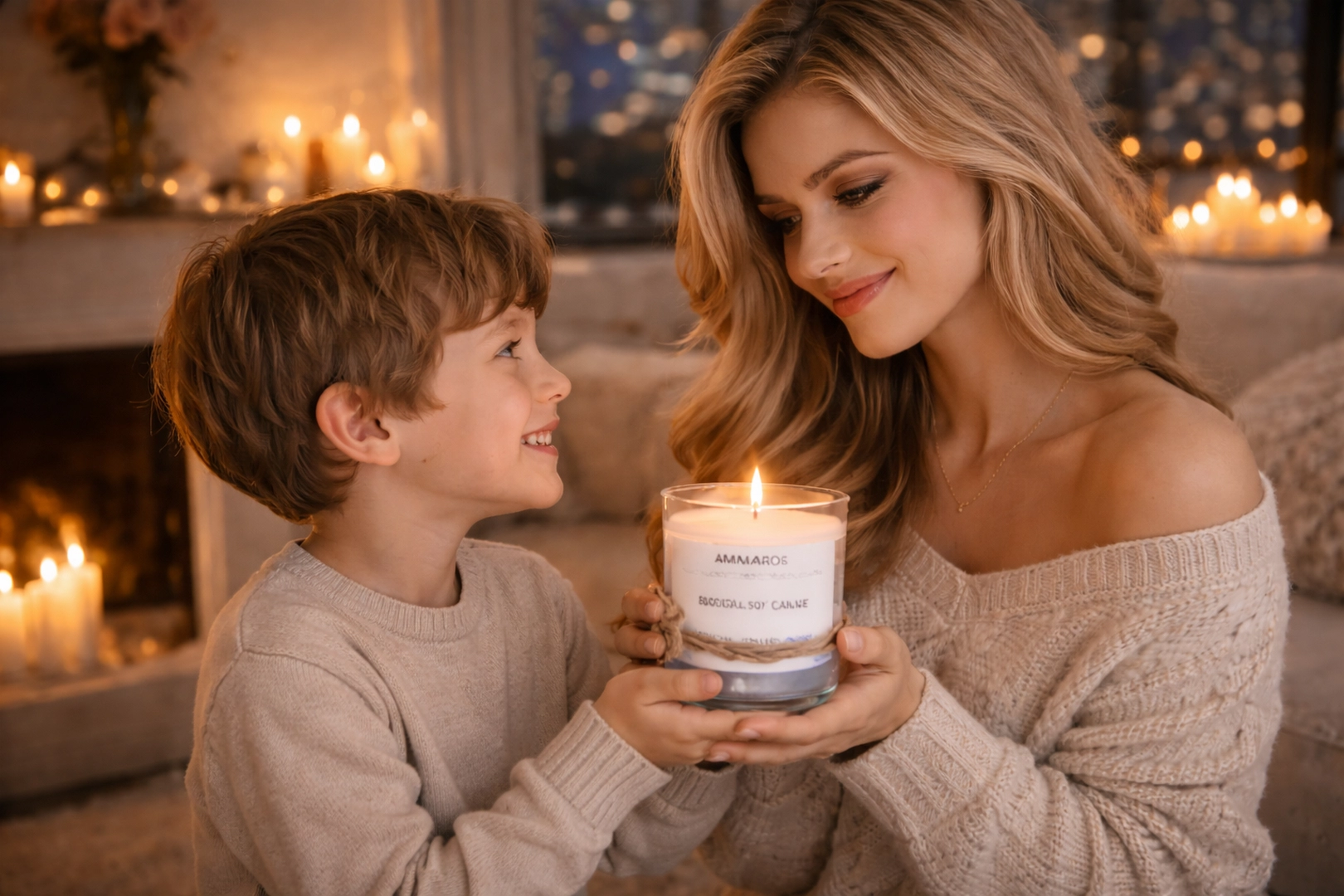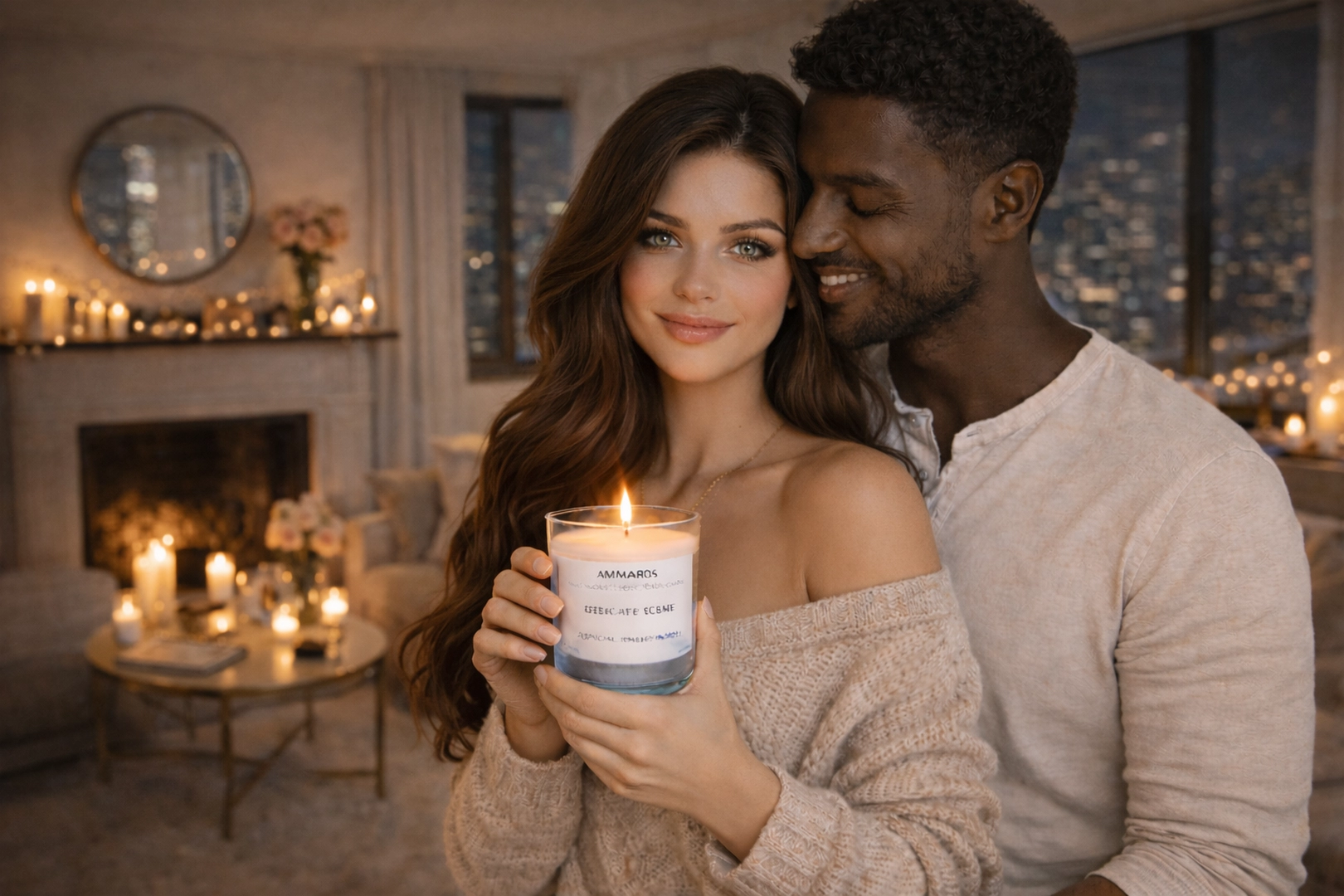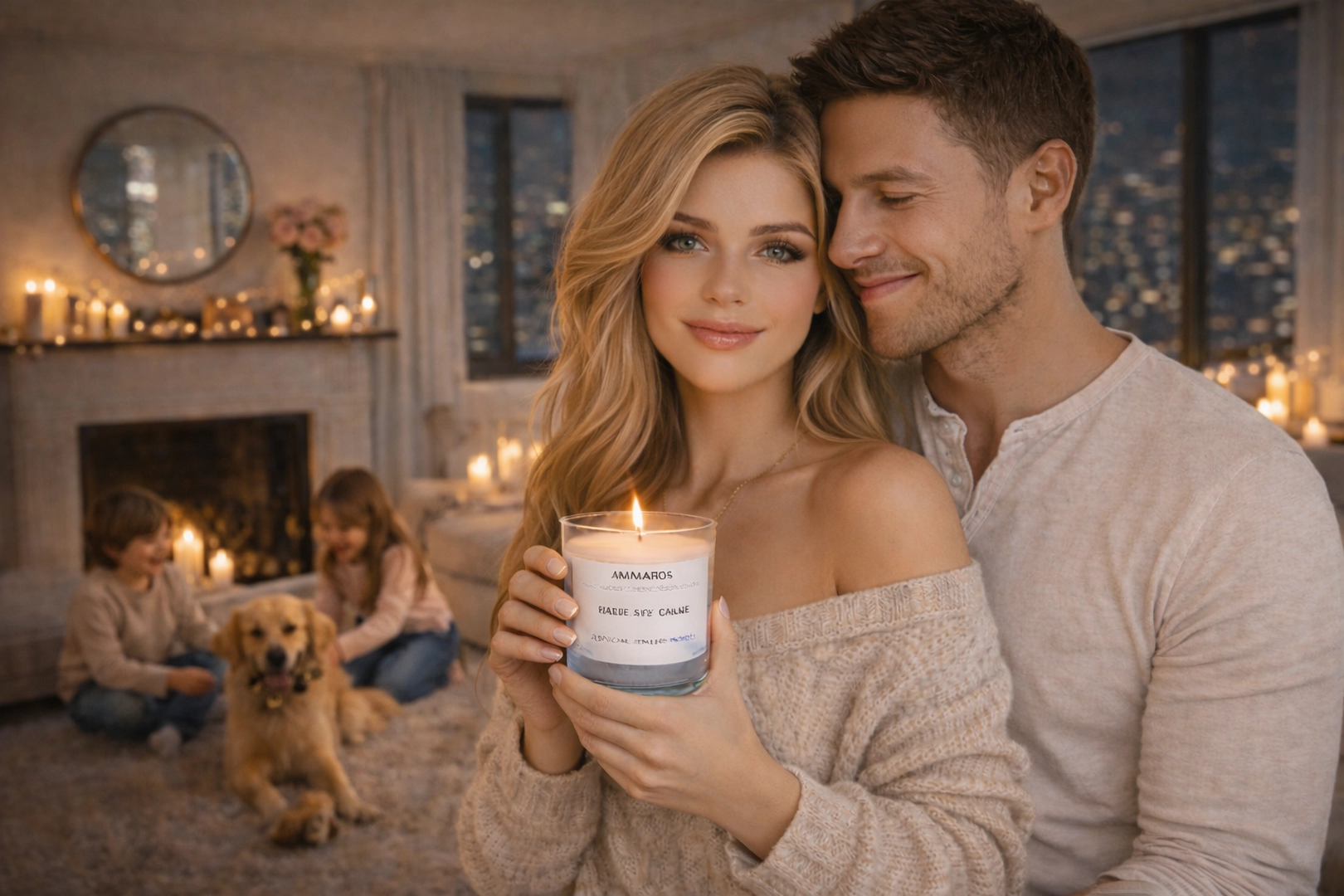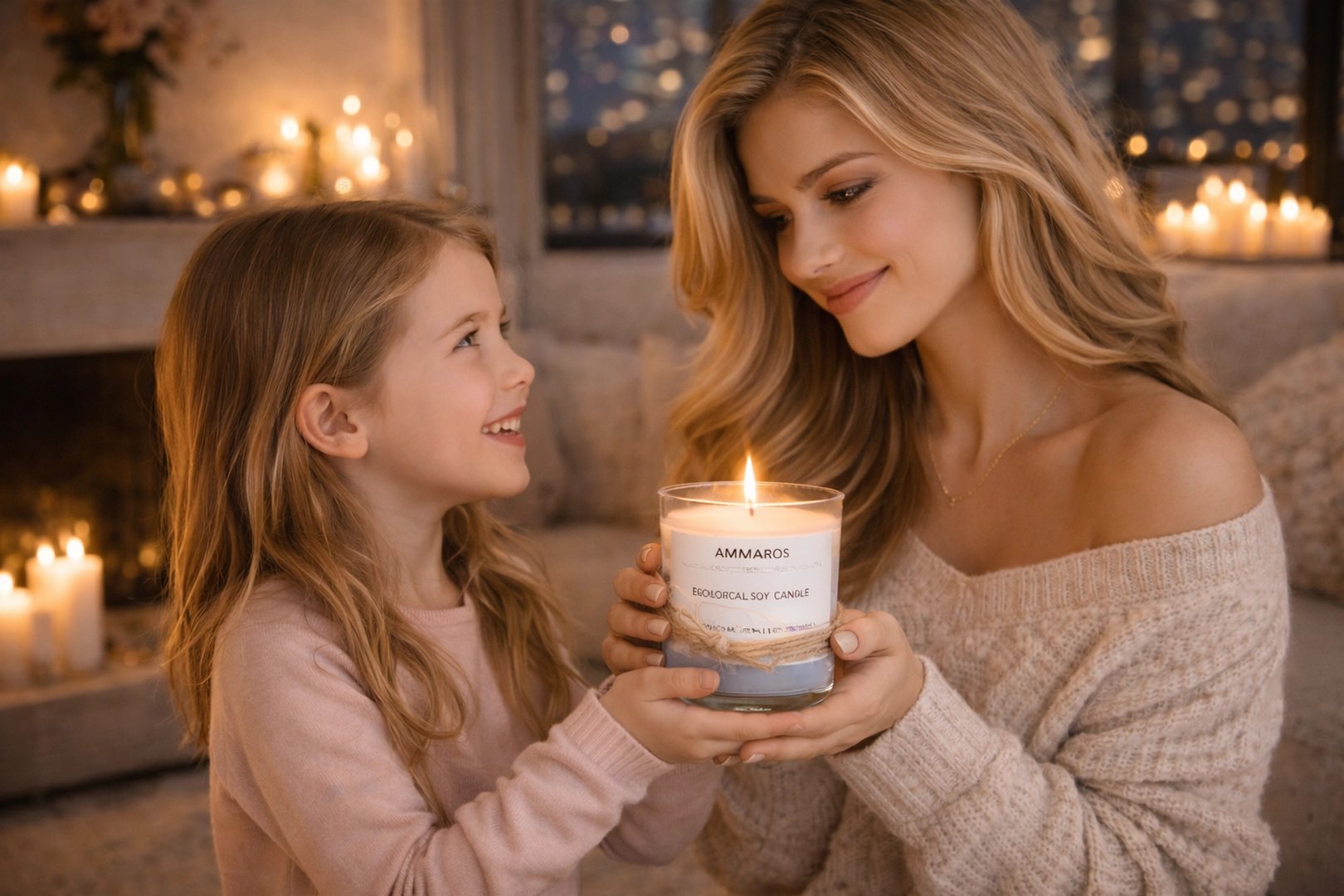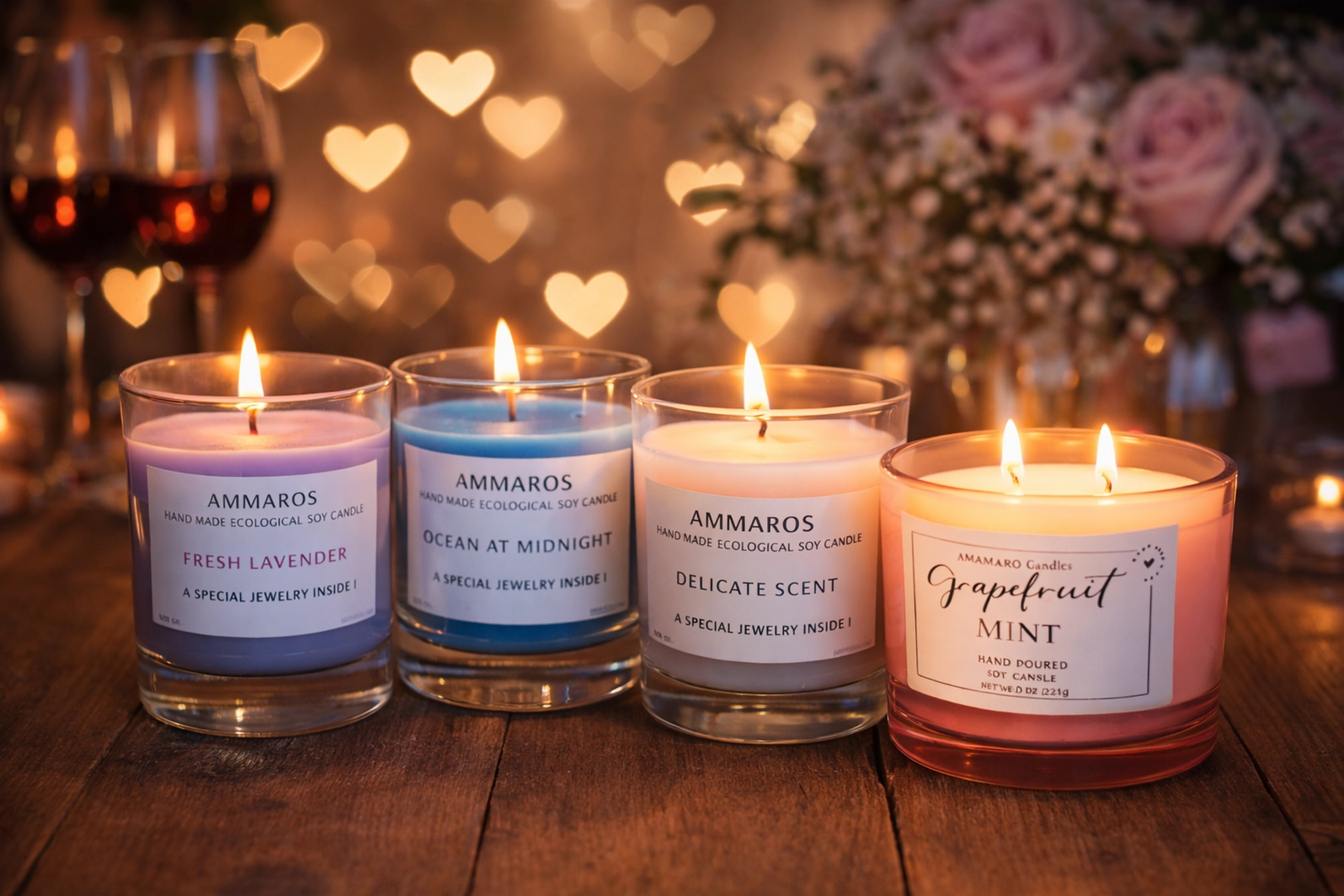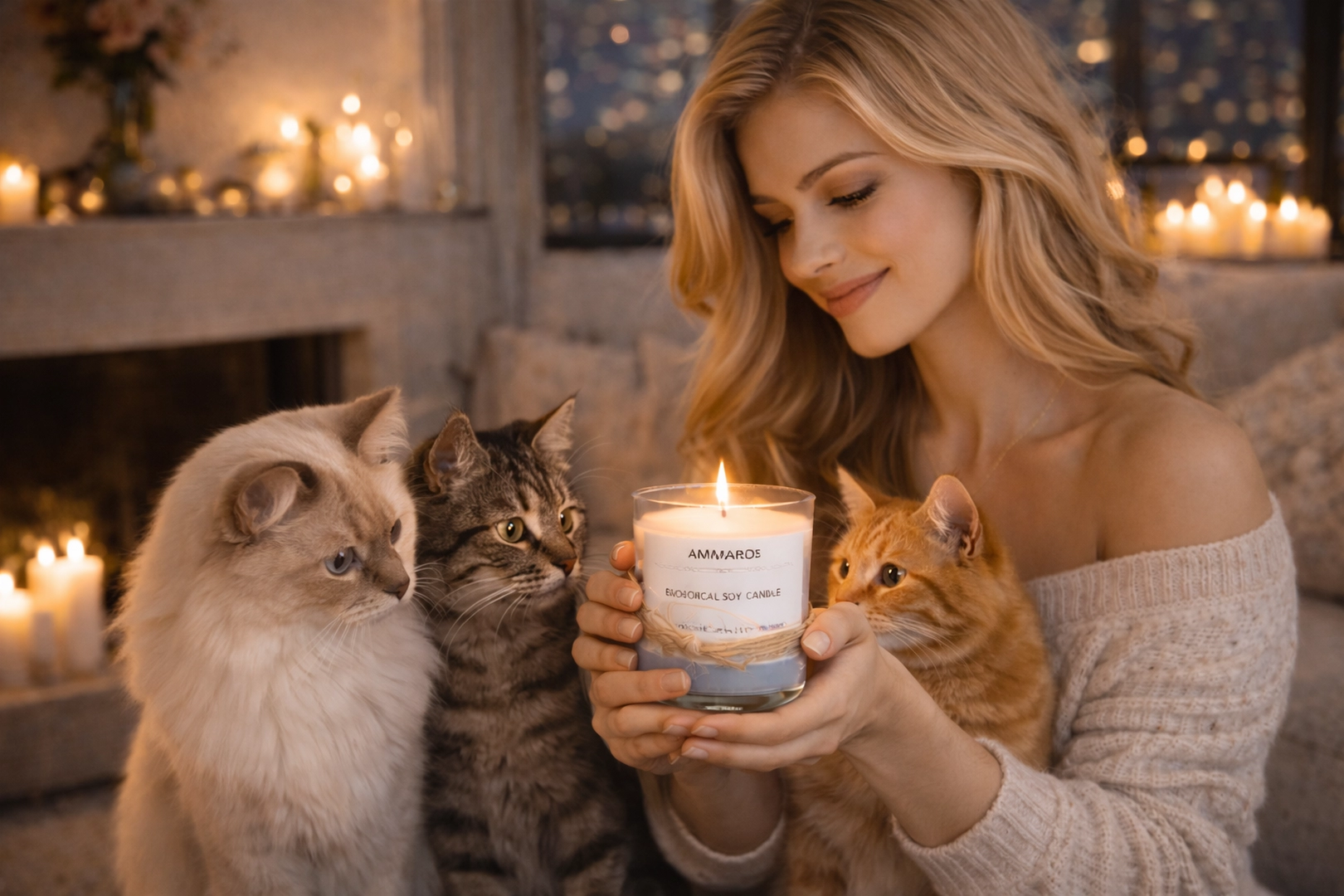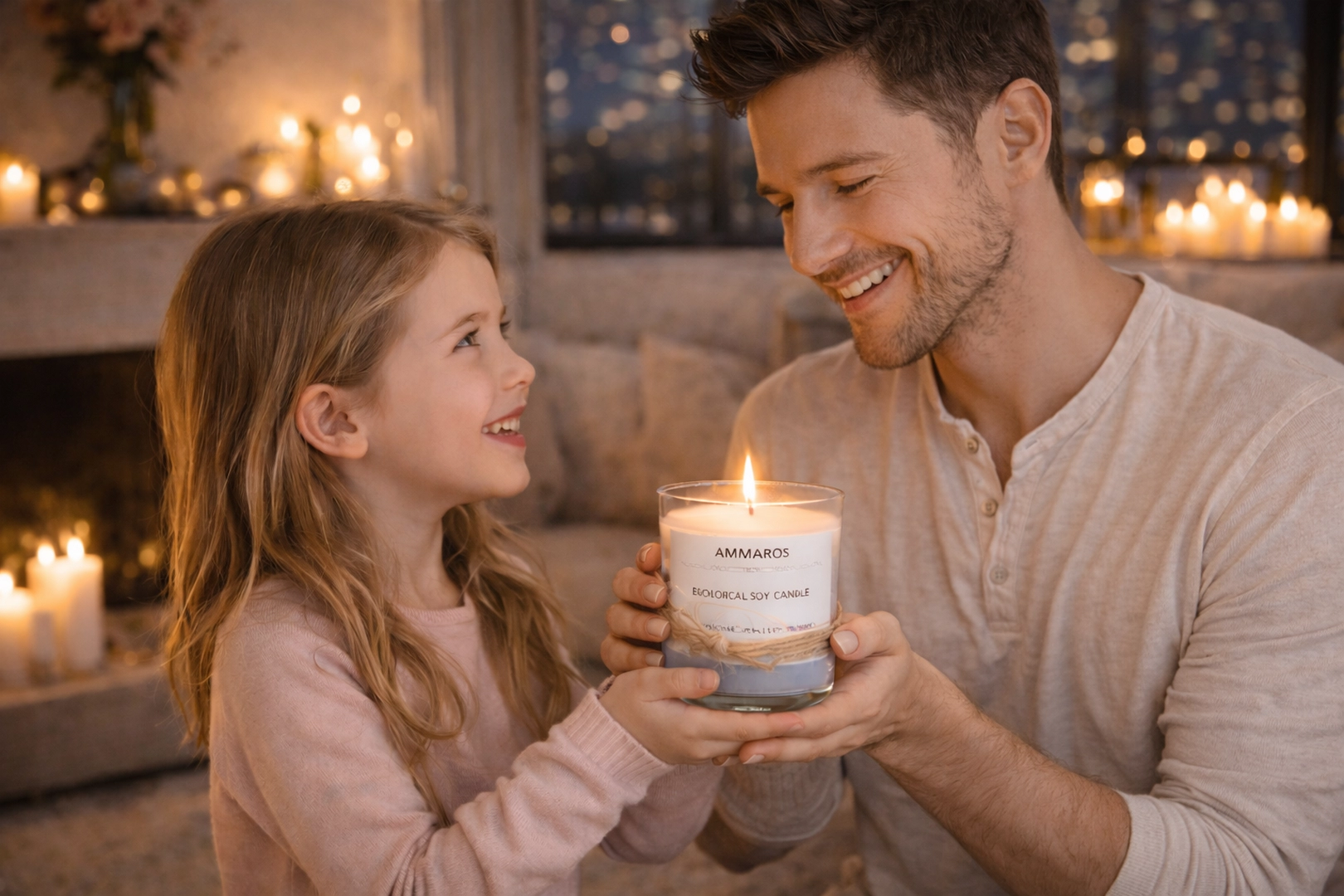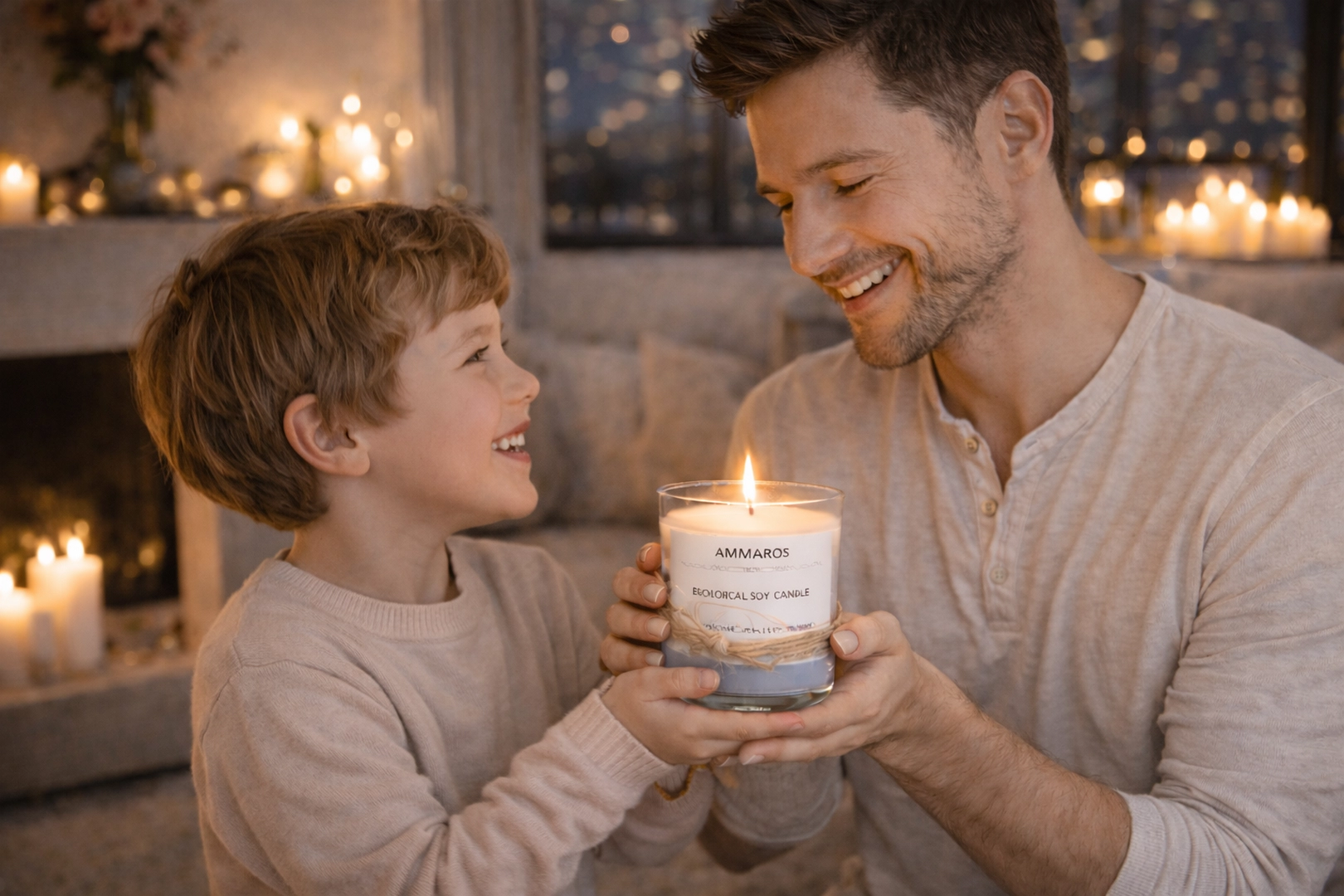
Stress shows up in everyday life in quiet, sneaky ways: a tense jaw while reading messages, shallow breathing during deadlines, a restless mind that refuses to “power down” at night. While no candle can solve the causes of stress on its own, scent can gently support a calmer atmosphere—especially when paired with small, realistic habits like slow breathing, warm lighting, and a few minutes of uninterrupted quiet.
Soy candles are especially popular for relaxation rituals because they’re easy to use, tend to burn evenly, and offer a soft, steady glow that instantly changes a room’s mood. When thoughtfully scented, they can echo the spirit of aromatherapy: using fragrance notes that people often associate with calm, comfort, focus, or rest. This article explores aromatherapy-inspired scent families, how to choose the right candle for your stress style, and practical ways to build a soothing routine—without turning your home into a perfume cloud.
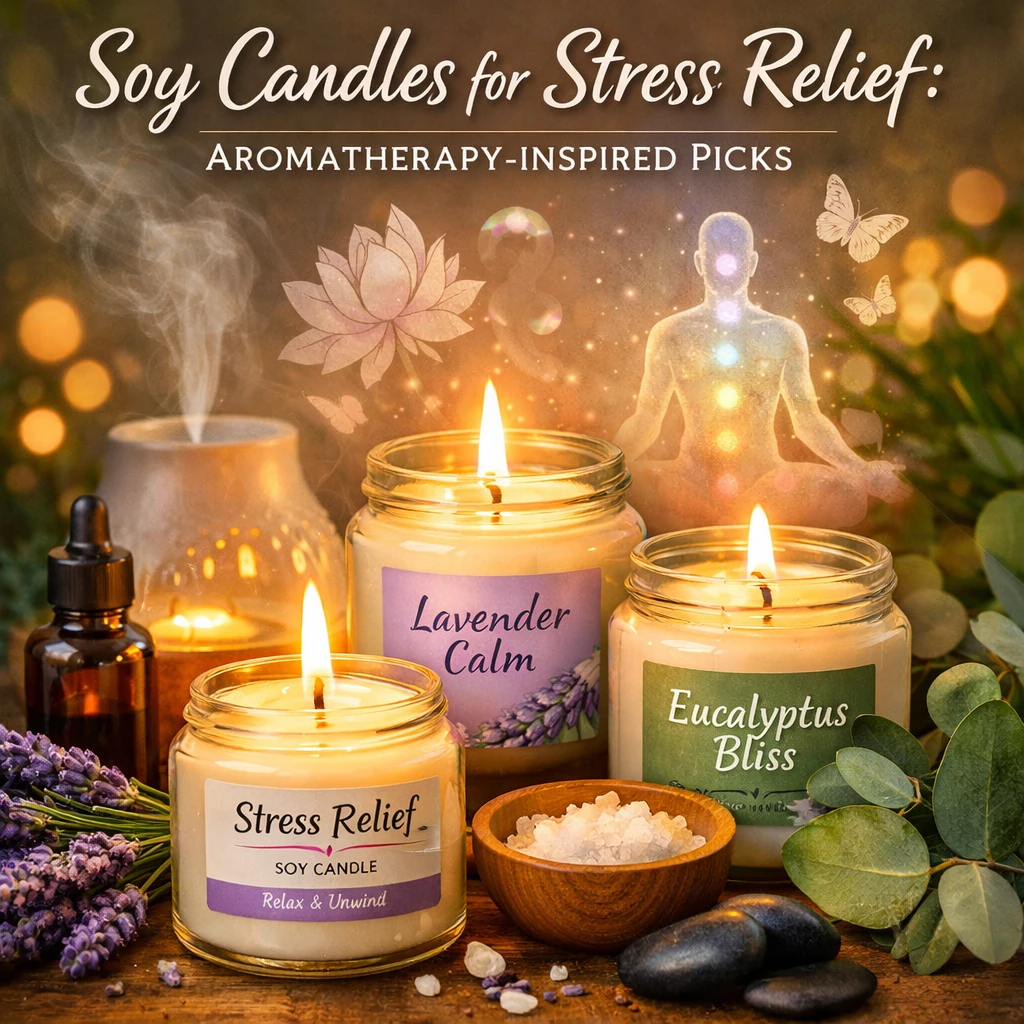
Why Scent Feels So Calming
Scent and emotion are closely linked. One whiff of a familiar note—freshly peeled citrus, clean linen, or a warm vanilla— can bring back memories and shift your mood almost immediately. That’s why fragrance is often used in bedtime routines, spa environments, and self-care rituals. A candle adds an extra layer: it combines aroma with warm ambient light, and that visual softness encourages your body to slow down.
Aromatherapy-inspired candles borrow classic “comfort notes” that many people find relaxing, such as lavender, chamomile, sandalwood, or gentle herbal blends. The goal isn’t intensity—it’s steadiness. A stress-relief candle should make the space feel safer and quieter, not louder.
What Makes a Soy Candle Feel Spa-Like
Not all “relaxing” candles actually relax. Some are so strong that they overwhelm the senses, while others lean sweet or sharp in a way that can feel energizing rather than calming. A spa-like soy candle usually shares a few traits: a balanced fragrance that isn’t harsh, a clean and cozy scent profile, and a burn that feels consistent and gentle.
Look for descriptions that emphasize softness, airiness, herbal clarity, creamy warmth, or grounding woods. Notes like “bright,” “electric,” “punchy,” or “intense” can be fun for daytime energy but may not be ideal when your goal is to unwind. A relaxing candle should be the background soundtrack, not the main performance.
Aromatherapy-Inspired Scent Families for Stress Relief
Everyone relaxes differently. Some people need their mind to quiet down; others need their body to unclench; others want comfort and emotional warmth. Aromatherapy-inspired picks can be grouped into scent families that match different stress moments and different personalities.
Lavender and Gentle Florals for Unwinding
Lavender is a classic for a reason: it feels familiar, clean, and soothing. In candle form, lavender works best when it’s not too sharp or medicinal. Blends that soften lavender with creamy vanilla, airy musk, or powdery florals can feel more “bedroom calm” than “herbal cabinet.”
If lavender isn’t your thing, consider softer florals that feel light and comforting rather than perfumey. Chamomile-inspired profiles, neroli-style citrus blossom, or a whisper of rose paired with warm woods can deliver relaxation without turning the room into a bouquet.
When to use: early evening, reading time, winding down after social overstimulation, or whenever you want the room to feel quietly peaceful.
Herbal Greens for a Clear, Calm Mind
Stress can feel like mental clutter—too many tabs open, too many thoughts competing. Herbal blends often help create a sense of “fresh air” for the mind. Notes like sage, rosemary, basil, and eucalyptus-inspired accords can feel clarifying and clean. The key is balance: herbal calm should feel breezy, not sharp.
These scents are especially helpful if you want a calming effect without drowsiness. They can support a focused atmosphere when you still need to do things—fold laundry, finish homework, organize a desk, or reset your space.
When to use: afternoon resets, study sessions, cleaning and organizing, or any time you want calm plus clarity.
Warm Woods for Grounding and Emotional Safety
When stress feels heavy, grounding scents can be more soothing than bright ones. Wood notes—like sandalwood, cedar, and soft amber—often create a sense of stability. They feel warm, steady, and quietly confident, like a cozy blanket for the nervous system.
A great stress-relief wood candle is rarely “smoky” in an aggressive way. Instead, it’s smooth and gentle, often blended with creamy notes, soft spice, or a touch of vanilla to make it feel comforting rather than intense.
When to use: late evening, rainy days, moments of emotional overwhelm, or whenever you want your space to feel secure and grounded.
Citrus and Tea Notes for Lightness Without Overstimulation
Citrus is usually associated with energy, but certain citrus styles can be surprisingly calming—especially when paired with tea, herbs, or soft florals. Think bergamot, gentle lemon, or sweet orange blended with green tea, white tea, chamomile, or light woods.
This family is great for stress that comes from feeling “stuck” or emotionally cloudy. The scent feels like opening a window, bringing in brightness without turning the mood into a high-powered pep talk.
When to use: morning calm routines, low-mood days, after a nap, or during a gentle midday break.
Vanilla, Creamy Comfort, and Soft Gourmand Notes
Sometimes stress relief is about comfort. Creamy, cozy notes like vanilla, tonka-style warmth, coconut cream, or soft caramel-like sweetness can feel reassuring—especially in colder weather or at the end of a long day.
The best comfort candles avoid being overly sugary. Look for descriptions that mention “creamy,” “warm,” “soft,” or “cozy,” often paired with woods, amber, or a hint of spice. That balance keeps the candle relaxing instead of overly stimulating.
When to use: night routines, quiet weekends, self-care baths, or whenever you need emotional warmth more than mental clarity.
How to Choose the Right Candle for Your Stress Style
Choosing a stress-relief candle gets easier when you match scent to the kind of stress you feel most often. If your stress feels like racing thoughts, lean into lavender-soft blends, warm woods, and tea notes. If your stress feels like fatigue and heaviness, try gentle citrus-tea or airy herbal blends for lift. If your stress feels like tension in your body, grounding woods and creamy comfort notes can feel especially soothing.
Also consider how sensitive you are to fragrance. If you get headaches easily, choose lighter, cleaner profiles and burn the candle for shorter sessions. Stress relief should feel like relief, not a sensory overload.
A Stress-Relief Candle Routine That Actually Works
A candle becomes more effective when it’s part of a repeatable pattern. Your brain learns cues. Over time, lighting a specific scent can become a signal: “we’re shifting into calm now.” The routine doesn’t need to be long. It just needs consistency.
Try a simple three-step ritual. First, dim the overhead lights and let the candle be the main glow. Second, take slow breaths for a minute—no special technique required, just slower than usual. Third, pair the candle with one calming activity: reading a few pages, stretching gently, journaling a paragraph, or tidying a small area.
Keep it realistic. Stress relief isn’t a perfect performance. It’s a small, repeated choice that nudges your environment toward calm.
Room-by-Room Aromatherapy-Inspired Picks
Different rooms support different moods. Matching scent to space helps the candle feel intentional instead of random.
For bedrooms, choose gentle florals, soft tea notes, creamy comfort, or smooth woods. The goal is “quiet and safe.” For living rooms, pick warm woods, light herbal blends, or balanced citrus-tea scents that feel welcoming. For bathrooms, spa-clean herbal profiles and airy florals can make short routines feel luxurious. For work or study areas, choose herb-forward, tea, or light citrus blends that calm without making you sleepy.
If you move the same candle between rooms, notice how it changes your mood depending on what else is happening in the space. Sometimes the best candle isn’t about the scent alone—it’s about the moment you pair it with.
Creating a Calming Scent “Palette” at Home
Instead of buying a dozen candles, build a small scent palette—two to four candles that cover your main stress moments. One can be your bedtime calm scent, another your daytime reset, and another your comfort scent for emotional heaviness. This approach makes scent feel like a tool you can reach for with purpose.
A simple palette might look like this: a lavender-soft blend for evenings, a herbal-tea blend for clarity, a warm wood candle for grounding, and a gentle citrus-tea candle for lightness. Rotating candles based on mood keeps your senses from getting “nose-blind” and helps each scent stay effective.
Tips to Keep the Experience Relaxing
The best stress-relief candle is the one that feels easy to live with. Burn it in shorter sessions if you prefer subtle scent, and give the room a moment to settle before adding any other fragrances. If you use perfumes, sprays, or diffusers, try not to stack too many scents at once. Layering can become chaotic quickly, which can work against relaxation.
Keep the candle’s surroundings calm too. A clean tray, a simple lighter, and a small routine can make the ritual feel more soothing. The fewer steps you need to start, the more likely you are to use it when stress actually hits.
Scent Pairings That Feel Like Instant Relief
Some scent combinations are especially popular for relaxation because they balance softness and warmth. Lavender with vanilla feels gentle and cozy. Bergamot with tea notes feels bright but calm. Sandalwood with a creamy or amber base feels grounding. Herbal blends with a hint of citrus feel clean and reassuring without being too strong.
If you’re experimenting, start with blends that include at least one “softening” note—vanilla, musk, amber, or a warm wood— to keep the scent from feeling sharp. Stress relief usually lives in the gentle middle, not the extremes.
When a Candle Is Not Enough, and What to Do
Candles are supportive, not magical. If stress feels constant or overwhelming, it can help to pair your scent routine with additional grounding habits: stepping outside for fresh air, talking to someone you trust, moving your body gently, or taking small breaks from screens. Your environment matters, but so does your support system and your daily rhythm.
Think of a stress-relief candle as a doorway: it helps you enter a calmer state when you’re ready to take a few minutes for yourself. Even if you only have ten minutes, that shift can be meaningful—especially when it becomes a familiar ritual you return to again and again.
A Softer Ending to Your Day
Stress relief doesn’t have to be complicated. Sometimes it’s as simple as lighting a candle that makes your shoulders drop, turning the room into a warmer place to breathe, and giving your mind permission to slow down. Aromatherapy-inspired soy candles can be a gentle companion in that process—one that supports calm with scent, warmth, and atmosphere.
Start with one candle that truly feels soothing to you. Use it consistently. Let it become a signal that your day is shifting into something softer. Over time, the glow and the fragrance can turn small moments into steady rituals—and steady rituals can make stress feel a little less in charge.